Why I Never Skip Checking My Body’s Signals Before a Workout
You wouldn’t drive a car without checking the engine light—so why push your body without paying attention to its cues? I used to ignore fatigue, soreness, and heart rate spikes until a minor injury made me rethink everything. Now, I monitor key health signs before every workout. It’s not about being obsessive—it’s about training smarter. This is how tracking my body’s feedback transformed my fitness journey from guesswork to a tuned, responsive routine that actually works.
The Wake-Up Call: When Ignoring My Body Backfired
For years, I believed that the only way to get stronger was to push harder. I wore soreness like a badge of honor and considered rest days a sign of weakness. My routine was simple: wake up, lace up, and go. If I felt stiff, I told myself it was just part of the process. If my shoulders ached after three days of back-to-back strength training, I assumed it meant I was doing something right. That mindset nearly cost me dearly.
It started with a twinge in my right knee during a routine stair climb. I dismissed it as tightness, stretched briefly, and kept going. Over the next two weeks, the discomfort grew. What began as a minor ache turned into persistent pain that made walking downstairs difficult. I finally saw a physical therapist, who explained that I had developed patellar tendinitis—an overuse injury caused by repetitive strain without adequate recovery. The diagnosis wasn’t severe, but the message was clear: I had ignored my body’s warnings for too long.
That experience was a turning point. I realized that fitness isn’t just about how much you can endure; it’s about how well you listen. Pushing through pain isn’t resilience—it’s risk. True strength includes the discipline to pause, assess, and respond. From that moment, I committed to checking in with my body before every workout. Not as a test, but as a conversation. This shift didn’t make me less committed to my goals—it made me more effective in reaching them.
What Is Health Monitoring—And Why It’s Not Just for Athletes
Health monitoring, in the context of everyday fitness, means paying attention to your body’s physical and mental signals to guide your exercise choices. It’s not reserved for elite athletes or medical patients. It’s a practical, accessible practice that anyone can adopt—especially those juggling workouts with family, work, and life’s daily demands. At its core, it’s about self-awareness, not self-scrutiny.
Many people assume that monitoring health signs is excessive—something only necessary for people with chronic conditions or professional training schedules. But this belief overlooks a simple truth: every body gives feedback. The question isn’t whether you should listen, but whether you’re willing to hear. Ignoring signals like fatigue, stiffness, or low energy increases the risk of injury and diminishes performance over time. Conversely, tuning in helps you train more effectively, recover faster, and stay consistent in the long run.
Another common misconception is that health monitoring requires expensive equipment or complex data analysis. In reality, it begins with observation. Noticing how you feel when you wake up, whether your muscles feel refreshed or heavy, if your breathing is steady or labored—these are all forms of monitoring. It’s not about perfection or precision; it’s about pattern recognition. Over time, small observations build a reliable picture of your body’s readiness. This kind of awareness isn’t obsessive—it’s an act of self-respect.
The Key Signs I Track (And Why Each One Matters)
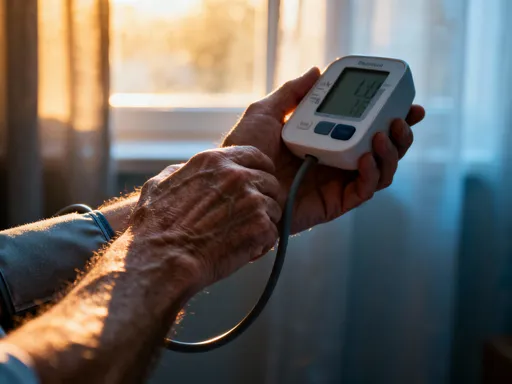
There are several key indicators I check before deciding what kind of workout to do. These aren’t arbitrary metrics—they’re interconnected signs that reflect my overall physical state. The first is resting heart rate. I measure it first thing in the morning, before getting out of bed. A higher-than-normal reading often signals that my body hasn’t fully recovered from the previous day’s activity or is under stress. Since the heart is a muscle, just like any other, it needs time to repair. A consistently elevated resting heart rate can be an early warning sign of overtraining.
Muscle soreness is another critical signal, but it’s important to distinguish between normal post-exercise discomfort and potential injury. Delayed onset muscle soreness (DOMS) typically peaks 24 to 48 hours after a new or intense workout and fades gradually. It’s usually symmetrical and affects the muscles you worked. But sharp, localized pain—especially around joints or tendons—is different. That kind of discomfort doesn’t improve with movement and may worsen with activity. Learning to tell the difference has helped me avoid aggravating minor strains.
Energy levels and sleep quality are deeply connected. I’ve noticed that on nights when I sleep less than six hours, my stamina drops significantly the next day. Even if I feel mentally alert, my body often lacks the resilience to handle high-intensity efforts. Hydration status also plays a role. A quick glance at urine color—aiming for pale yellow—gives me immediate feedback on whether I’m properly hydrated. Dehydration can mimic fatigue and reduce coordination, increasing the risk of missteps or poor form.
Finally, I pay attention to my mood and stress levels. Chronic stress elevates cortisol, a hormone that, in excess, can impair recovery, weaken immunity, and increase inflammation. When I’m emotionally drained or mentally overwhelmed, I’ve learned that high-intensity workouts can add further strain. Instead, I opt for gentler movement like walking, stretching, or yoga. Recognizing that mental state affects physical performance has helped me make smarter, more compassionate choices.
Simple Tools That Changed My Routine
When I first started tracking my body’s signals, I worried it would require a lot of time and technology. But I quickly discovered that effective monitoring doesn’t depend on advanced gadgets. I began with a basic smartwatch that tracks heart rate and sleep patterns. It doesn’t have every feature, but it gives me consistent, reliable data without overwhelming me. The real game-changer, however, was something much simpler: a small notebook I keep on my nightstand.
Each morning, I jot down a few quick notes: how I slept, how I feel physically, my energy level on a scale of 1 to 10, and any areas of discomfort. I also record my resting heart rate from the watch. At first, I did this sporadically, but over time, I built the habit by pairing it with my morning coffee. That small ritual made it sustainable. I didn’t need to be perfect—just consistent. Within a few weeks, I started noticing patterns. For example, I saw that poor sleep often preceded higher heart rates and lower energy, which helped me adjust my evening routines.
I also began using a free habit-tracking app to log trends over time. It allowed me to visualize how factors like hydration, mood, and workout intensity interacted. Seeing the data in charts made it easier to understand long-term progress, even when daily changes seemed minor. But the app wasn’t essential—many people use paper journals or simple calendar notes with equal success. The key isn’t the tool, but the act of recording. Consistency builds awareness, and awareness builds better decisions.
How I Adjust My Workouts Based on What My Body Tells Me
One of the most empowering changes I’ve made is learning to adapt my workouts based on how I feel. I used to follow rigid plans, believing that skipping or modifying a session meant falling behind. Now, I see flexibility as a strength. If my body signals fatigue—through high resting heart rate, low energy, or lingering soreness—I don’t push through. Instead, I choose active recovery: a brisk walk, light cycling, or a stretching routine. These sessions still support fitness but allow my body to heal.
On days when I feel strong and recovered, I’m more confident increasing intensity. But even then, I stay mindful. I warm up thoroughly and pay attention to form. If something feels off mid-workout—like tightness in my lower back or unusual breathlessness—I stop and reassess. Sometimes, I switch exercises to reduce strain. For example, if my knees feel sensitive, I’ll replace jump squats with glute bridges. If my shoulders are fatigued, I’ll skip overhead presses and focus on rows instead. These small adjustments protect my joints and muscles while keeping me active.
The mental shift has been just as important as the physical changes. I no longer view rest or modification as failure. Progress isn’t measured in how hard I push, but in how well I listen and respond. Some of my most productive weeks have included more low-intensity days than high ones. Yet, I’ve felt stronger, more balanced, and less prone to setbacks. This approach has made fitness more sustainable and enjoyable, not something I dread or force myself through.
The Science Behind Listening to Your Body
What I’ve learned through experience is supported by science. The autonomic nervous system, which controls involuntary functions like heart rate and digestion, plays a crucial role in recovery. It has two main branches: the sympathetic system, which activates during stress and exercise (the “fight or flight” response), and the parasympathetic system, which promotes rest and repair (the “rest and digest” state). After a workout, the body needs to shift into parasympathetic dominance to recover. If stress—physical or emotional—keeps the sympathetic system active, recovery slows, and injury risk increases.
Inflammation is another key factor. Exercise causes microscopic muscle damage, which triggers a controlled inflammatory response that leads to growth and adaptation. But chronic inflammation, caused by overtraining, poor sleep, or ongoing stress, can impair healing and weaken performance. Elevated cortisol levels, often linked to mental strain, contribute to this cycle. Studies have shown that high cortisol can reduce muscle protein synthesis, increase fat storage, and suppress immune function—all of which hinder fitness progress.
Research also supports the benefits of self-monitoring. A 2018 review published in the journal Sports Medicine found that athletes who tracked subjective wellness markers—such as fatigue, soreness, and mood—experienced fewer injuries and better performance over time. Another study in Frontiers in Physiology showed that daily monitoring helped individuals detect early signs of overtraining and adjust their routines accordingly. These findings confirm that paying attention to how you feel isn’t just intuitive—it’s evidence-based.
Building a Habit That Sticks—Without the Burnout
Starting a monitoring practice doesn’t require a complete overhaul. I began by focusing on just one metric: how I felt when I woke up. Was I refreshed or drained? That single question opened the door to greater awareness. Once that became routine, I added resting heart rate. Then sleep quality. Taking it one step at a time prevented overwhelm and made the process feel manageable.
Pairing the habit with an existing routine was crucial. I check my signals while drinking my morning coffee—something I already do every day. This “habit stacking” technique, supported by behavioral science, increases the likelihood of consistency. I didn’t aim for perfect records; some days I forgot to write anything. But I learned that missing a day doesn’t ruin progress. What matters is returning to the practice without judgment.
Letting go of perfection has been liberating. Health monitoring isn’t about achieving ideal numbers every day. It’s about building a relationship with your body—one based on trust, not control. Some days, the data shows I’m ready to push. Other days, it tells me to slow down. Both are valid. Over time, this practice has helped me stay active for longer periods without injury, burnout, or frustration. It’s not about doing more—it’s about doing what’s right for me, in the moment.
Health monitoring isn’t about fear or control—it’s about connection. By tuning into my body’s signals, I’ve not only avoided setbacks but also built a more sustainable, enjoyable fitness life. This practice isn’t reserved for elites; it’s for anyone who wants to move well, feel strong, and stay consistent. The real win? Learning to trust myself—not just the stopwatch or the scale.