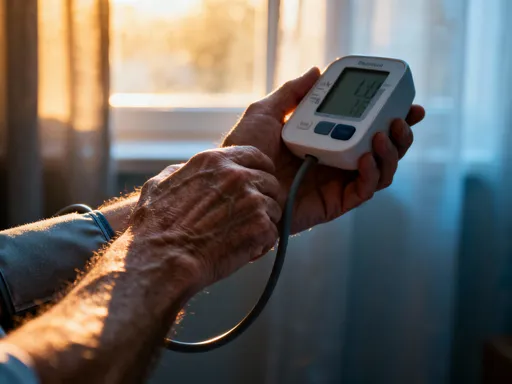
Why I Started Watching My Blood Pressure Before It Watched Me
High blood pressure often shows no symptoms, yet it quietly damages the heart and vessels over time. I didn’t realize my risk until a routine check revealed early warning signs. That moment changed my habits. This article shares how simple lifestyle shifts and early awareness can make a real difference—especially for beginners. Knowledge is power, but only if you act on it. Always consult a healthcare provider for personal advice.
The Silent Threat: What Is High Blood Pressure?
Blood pressure is the force your heart uses to pump blood through your arteries. Imagine a garden hose: if the water flows too hard, the hose can weaken or burst. Similarly, when blood moves through arteries under too much pressure, it strains the heart and damages blood vessels over time. High blood pressure, also known as hypertension, occurs when this force consistently stays above normal levels. It’s not a disease you can feel like a fever or a cough, which makes it especially dangerous.
This is why doctors often call hypertension the “silent killer.” It can go unnoticed for years while slowly harming the heart, kidneys, brain, and eyes. There are usually no warning signs until serious complications arise, such as a heart attack or stroke. According to the World Health Organization, nearly 1.3 billion adults worldwide live with high blood pressure, and many don’t know they have it. The damage happens silently, cell by cell, year after year, without obvious symptoms to raise the alarm.
Over time, untreated high blood pressure increases the risk of heart disease—the leading cause of death globally. It also raises the likelihood of stroke, kidney disease, and vision loss. The arteries become stiffer and narrower, making the heart work harder. This extra strain can lead to thickening of the heart muscle, a condition that reduces its ability to pump efficiently. Eventually, this can result in heart failure, a serious condition that limits daily activities and reduces life expectancy.
The good news is that high blood pressure is both preventable and manageable. Regular health screenings can detect elevated levels before complications develop. Early detection allows for timely intervention, whether through lifestyle changes or medical treatment. Monitoring blood pressure is not just for older adults or those with existing health concerns—it’s a crucial part of preventive care for everyone. Understanding what blood pressure is and why it matters is the first step toward protecting your long-term health.
My Wake-Up Call: A Normal Person’s Story
I always thought I was healthy. I didn’t smoke, I tried to eat balanced meals, and I walked my dog every day. I wasn’t overweight, and I rarely visited the doctor because I didn’t feel any pain or discomfort. I assumed that if I felt fine, everything must be fine. That belief changed during a routine physical exam. The nurse took my blood pressure, paused, and then quietly asked me to sit for a few more minutes. When she checked again, the numbers were still high—145 over 92. The doctor said I was in the elevated range and advised me to monitor it closely.
I was stunned. I didn’t feel sick. I hadn’t had headaches, dizziness, or chest pain—none of the symptoms I associated with heart problems. Yet the numbers told a different story. My doctor explained that many people with high blood pressure feel completely normal. That’s what makes it so dangerous. I left the clinic with a mix of confusion and concern. I started wondering: had I been unknowingly damaging my body for years? Was I at risk for a heart attack or stroke without even realizing it?
That moment became a turning point. I began reading about hypertension, talking to my pharmacist, and asking questions at my follow-up visits. I learned that high blood pressure isn’t just a problem for older men or people with poor diets. It can affect anyone, even those who appear healthy. My family history played a role—my father had been diagnosed in his fifties. Combined with my mostly sedentary job and occasional stress, the risk had been building without my awareness.
What struck me most was how easily I could have ignored the warning. If I hadn’t gone for that routine check, I might not have known for years. By then, the damage could have been significant. That experience shifted my mindset. I stopped seeing blood pressure as just a number on a screen and started viewing it as a vital sign of my body’s inner condition. It taught me that feeling well isn’t always the same as being well. Now, I take responsibility for my health not because I’m sick, but because I want to stay well.
Why Early Detection Matters More Than You Think
Early detection of high blood pressure can change the course of a person’s health. According to the Centers for Disease Control and Prevention, about half of all adults in the United States have high blood pressure, and nearly half of them aren’t managing it effectively. Even more concerning, many people don’t know they have it at all. This gap in awareness means millions are living with a condition that increases their risk of life-threatening events, completely unaware of the danger.
Catching high blood pressure early allows for intervention before lasting damage occurs. When changes are made at the first sign of elevation, the body often responds well. The arteries can regain some flexibility, the heart doesn’t have to work as hard, and the risk of complications drops significantly. In contrast, waiting until symptoms appear—or worse, until a crisis like a stroke happens—means the body has already sustained harm that may not be reversible. Prevention is always more effective than repair.
Think of it like maintaining a car. If you change the oil regularly, rotate the tires, and check the brakes, you prevent major breakdowns. But if you ignore warning lights and skip maintenance, a small issue can turn into an expensive, dangerous failure. The same principle applies to health. Routine blood pressure checks are like those regular car inspections—they help you catch small problems before they become emergencies. A slightly elevated reading today can be a signal to make changes that protect your heart for decades.
Annual physical exams are a reliable way to monitor blood pressure, but home monitoring adds another layer of insight. Checking your blood pressure at home helps identify patterns and reduces the chance of “white coat hypertension,” where stress at the doctor’s office causes a temporary spike. Over time, tracking readings gives a clearer picture than a single measurement. Trends matter more than one-off numbers. A consistent rise, even within the normal range, can prompt earlier action and better outcomes.
Easy Daily Habits That Actually Help
Managing blood pressure doesn’t require drastic changes or expensive treatments. Small, consistent habits can have a meaningful impact over time. The key is to start with simple, realistic actions that fit into daily life. You don’t need to become an athlete or overhaul your diet overnight. Instead, focus on gradual improvements that build a healthier routine. The goal is sustainability, not perfection.
One of the most effective steps is reducing sodium intake. The average adult consumes far more salt than recommended, often without realizing it. Processed foods, canned soups, frozen meals, and restaurant dishes are major sources of hidden sodium. When you eat too much salt, your body retains extra fluid, which increases the volume of blood and raises pressure in the arteries. Switching to fresh ingredients, cooking at home, and using herbs and spices instead of salt can significantly lower sodium consumption. For example, try seasoning vegetables with garlic, lemon, or rosemary instead of table salt.
Physical activity is another powerful tool. You don’t need to run marathons—just 30 minutes of moderate exercise most days can help. Walking is one of the easiest and safest options. A brisk walk after dinner, a lunchtime stroll, or a weekend hike all count. Exercise strengthens the heart, making it more efficient at pumping blood, which lowers the force on the arteries. Even short bursts of movement, like taking the stairs or parking farther from the entrance, add up over time.
Stress management is also important. Chronic stress can contribute to high blood pressure by triggering the body’s fight-or-flight response, which raises heart rate and constricts blood vessels. While you can’t eliminate all stress, you can learn to respond to it more calmly. Deep breathing, meditation, gardening, or listening to calming music can help regulate your body’s stress response. Setting boundaries, getting enough sleep, and making time for hobbies also support emotional and physical well-being. These habits don’t just lower blood pressure—they improve overall quality of life.
Understanding Your Numbers: What the Readings Mean
When you check your blood pressure, you get two numbers: systolic and diastolic. The systolic pressure (the top number) measures the force in your arteries when your heart beats. The diastolic pressure (the bottom number) measures the force when your heart rests between beats. Together, they give a snapshot of your cardiovascular health. Understanding what these numbers mean helps you make informed decisions about your well-being.
According to guidelines from major health organizations, a reading below 120 over 80 mm Hg is considered normal. If the systolic number is between 120 and 129 and the diastolic is under 80, it’s classified as elevated. This is a warning sign—not a diagnosis, but a signal to take preventive steps. High blood pressure is diagnosed when readings consistently measure 130 over 80 or higher. These categories help healthcare providers assess risk and recommend appropriate actions.
It’s important to remember that blood pressure varies throughout the day. It can rise during exercise, stress, or after eating, and it naturally dips during sleep. A single high reading doesn’t mean you have hypertension. What matters is the pattern over time. That’s why doctors recommend multiple readings, taken under similar conditions, to get an accurate picture. For example, checking your blood pressure at the same time each day, after sitting quietly for five minutes, gives more reliable data.
Keeping a log of your readings can help you and your doctor spot trends. You might notice that your numbers are higher in the morning or after stressful events. This information can guide lifestyle adjustments or treatment decisions. However, tracking should never replace professional medical advice. If your readings are consistently high, it’s essential to discuss them with a healthcare provider. They can determine whether lifestyle changes are enough or if medication is needed. Knowledge empowers, but guidance ensures safety.
Support Systems and Tools That Keep You on Track
Staying consistent with blood pressure management is easier with the right support and tools. One of the most helpful devices is a home blood pressure monitor. These are widely available, easy to use, and often covered by insurance. Digital monitors with automatic cuffs provide accurate readings and can store data for review. Using one regularly helps you stay informed and involved in your health journey. It also reduces anxiety by replacing uncertainty with facts.
Technology can also play a role. Many smartphone apps allow you to log blood pressure readings, set medication reminders, and track habits like exercise and diet. Some even sync with wearable devices to give a fuller picture of your health. These tools make it easier to see progress and stay motivated. For example, watching your average readings gradually improve over weeks can be a powerful incentive to keep going.
Emotional and social support is equally important. Sharing your goals with family or friends can create accountability and encouragement. Maybe your spouse agrees to join you in cooking low-sodium meals, or your neighbor becomes a walking partner. Small acts of support—like someone reminding you to take your medication or celebrating your progress—can make a big difference. Health is not a solo journey; it thrives in connection.
Routine is another form of support. When healthy behaviors become habits, they require less willpower. Instead of relying on motivation, you rely on structure. For example, if you walk every evening after dinner, it becomes part of your day, like brushing your teeth. Over time, these routines reduce decision fatigue and make long-term success more likely. Professional guidance enhances self-management. Regular check-ins with your doctor, pharmacist, or dietitian provide personalized advice and keep you on track without replacing your own efforts.
From Awareness to Action: Building a Sustainable Routine
The journey from ignorance to awareness is the first step toward lasting health. Learning about high blood pressure changed how I see my daily choices. I now understand that every meal, every walk, every moment of stress management is part of a larger commitment to my well-being. It’s not about fear or restriction—it’s about freedom. Freedom from disease, freedom from limitations, and freedom to enjoy life fully as I age.
Managing blood pressure is not a short-term fix. It’s a lifelong practice built on small, consistent actions. There will be days when you forget to check your numbers or eat something salty. That’s normal. What matters is the overall pattern. Progress, not perfection, is the goal. Each healthy choice strengthens your body’s resilience and reduces your risk over time. The earlier you start, the greater the benefit.
Medical consultation remains essential. No article, app, or device can replace the expertise of a healthcare provider. They can assess your individual risk, recommend appropriate tests, and guide treatment if needed. At the same time, personal responsibility empowers you to take an active role. You are not passive in your health—you are the most important member of your care team.
Taking action early is not about living in fear of illness. It’s about living with intention. It’s about making choices today that protect your tomorrow. By watching your blood pressure before it watches you, you gain control over your health story. You shift from waiting for problems to preventing them. And in that shift lies the greatest reward: a longer, healthier, more vibrant life.