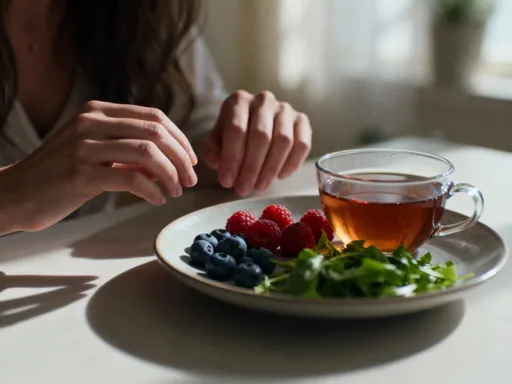
Why Your Anti-Aging Diet Might Be Working Against You
You’ve probably heard that what you eat can slow aging, but what if some of your healthy habits are actually doing more harm than good? I’ve been there—loading up on smoothies, supplements, and superfoods, only to feel tired and see my skin lose its glow. Turns out, it’s not just what you eat, but how you combine it. Certain food pairings can block nutrient absorption or spike inflammation, silently sabotaging your efforts. Let’s uncover the common dietary mistakes that could be aging you faster—without you even knowing.
The Hidden Problem in Your Anti-Aging Routine
Many women in their 30s, 40s, and 50s are deeply invested in their health, carefully selecting foods believed to support youthful skin, strong bones, and lasting energy. They fill their plates with leafy greens, berries, nuts, and fish—choices backed by science and widely praised in wellness circles. Yet, despite these efforts, some still struggle with fatigue, dull skin, joint discomfort, or unexplained weight gain. The missing piece? How these foods interact when eaten together. It’s not enough to eat individual “anti-aging” foods; the synergy—or lack thereof—between them plays a crucial role in how well your body uses their benefits.
Nutrient absorption is a delicate process, influenced by the presence or absence of other compounds in a meal. For instance, consuming calcium-rich foods like yogurt or fortified plant milks at the same time as iron-rich meals—such as lentil stew or spinach salad—can significantly reduce iron uptake. This happens because calcium and iron compete for the same absorption pathways in the gut. Over time, this subtle interference may contribute to low energy and weakened immunity, especially in women who are already at higher risk for iron deficiency due to menstruation or dietary preferences.
Another common example is the combination of high-fiber cereals with calcium supplements or dairy products. While fiber is essential for digestion and heart health, certain types—especially phytates found in whole grains—can bind to minerals like calcium, zinc, and magnesium, making them less available to the body. This doesn’t mean you should avoid fiber or calcium, but rather that timing and pairing matter. Separating these foods by a few hours can preserve their individual benefits and support long-term bone health, which becomes increasingly important with age.
The reality is that many well-intentioned dietary habits are based on isolated nutrition facts rather than holistic meal planning. Eating “clean” is a great start, but without attention to food synergy, even the most carefully curated diets may fall short. The body doesn’t process nutrients in a vacuum—it responds to the entire meal matrix. Recognizing this shift—from focusing solely on single ingredients to considering combinations—is the first step toward a truly effective anti-aging strategy.
When “Healthy” Foods Turn Counterproductive
Some of the most commonly recommended health foods can become counterproductive when paired incorrectly. Take green tea, for example—a beverage celebrated for its antioxidants and metabolism-boosting properties. While it’s a valuable addition to a balanced diet, drinking it with meals, especially those containing plant-based iron, can hinder nutrient absorption. The tannins in tea bind to non-heme iron (the form found in plant foods), reducing its bioavailability by up to 50 percent. For women who rely on beans, tofu, or spinach for iron, this simple habit could quietly contribute to fatigue and paleness over time.
Similarly, consuming orange juice with a bowl of fortified oatmeal may seem like a nutritious breakfast, but it can create unintended consequences. While vitamin C enhances iron absorption, the high sugar content in juice can trigger an insulin spike, especially when paired with refined grains. This rapid rise and fall in blood sugar may leave you feeling sluggish by mid-morning and increase oxidative stress—a key driver of aging. A better approach is to pair iron-rich foods with whole-food sources of vitamin C, such as bell peppers, strawberries, or kiwi, while choosing low-sugar, high-fiber grains to stabilize energy levels.
Another overlooked issue is the combination of high-calcium foods with meals rich in oxalates. Spinach, for instance, contains both iron and calcium, but its high oxalate content binds to calcium, making it largely unavailable. This means that while spinach is nutritious, it’s not an efficient source of absorbable calcium. Pairing it with dairy or fortified foods won’t improve calcium uptake and may even interfere with other minerals. Instead, opting for low-oxalate greens like kale or bok choy with calcium sources offers a more effective combination for bone health.
These examples highlight a broader truth: context matters. No food is inherently “bad,” but its impact depends on what it’s eaten with and when. By understanding these interactions, women can make subtle but powerful adjustments to their daily meals, ensuring that their efforts to eat well are not undermined by unintended nutritional conflicts.
The Inflammation Trap: How Food Pairings Trigger Silent Damage
Chronic, low-grade inflammation is one of the most significant yet invisible contributors to aging. It affects the skin, joints, brain, and cardiovascular system, often without obvious symptoms until damage has accumulated over years. While genetics and stress play roles, diet is a major modifiable factor—and certain food pairings can either calm or fuel this internal fire. The problem arises when pro-inflammatory foods are combined in ways that amplify their negative effects, creating a perfect storm for accelerated aging.
One of the most common culprits is the pairing of refined carbohydrates with processed fats. Think of a buttered croissant, a muffin with margarine, or toast with hydrogenated spreads. These combinations deliver a double hit: high glycemic load from the refined flour leads to rapid glucose spikes, while artificial trans fats or omega-6-heavy oils promote inflammatory signaling in the body. Over time, this pattern contributes to insulin resistance, increased belly fat, and a higher risk of age-related conditions like type 2 diabetes and heart disease. Even if portion sizes are small, the cumulative effect of these daily choices can be profound.
Another problematic pairing is grilled or charred red meat consumed without sufficient antioxidant-rich vegetables. Cooking meat at high temperatures produces advanced glycation end products (AGEs), compounds that increase oxidative stress and inflammation. When eaten alongside a colorful array of vegetables—especially those rich in polyphenols and carotenoids, like tomatoes, carrots, and broccoli—the body’s defenses are better equipped to neutralize these harmful substances. Without this protective buffer, however, the inflammatory load increases, potentially accelerating skin aging and joint stiffness.
Dairy products, particularly in large amounts, can also contribute to inflammation in sensitive individuals, especially when combined with high-sugar foods. A common example is flavored yogurt with granola and honey. While marketed as a healthy breakfast, this combination often contains excessive added sugars and low-quality fats, which can disrupt gut balance and promote systemic inflammation. A better alternative is plain, unsweetened yogurt with fresh berries, chia seeds, and a sprinkle of nuts—offering probiotics, fiber, and healthy fats without the inflammatory triggers.
The key is not elimination but balance. Aging gracefully doesn’t require a restrictive diet, but rather thoughtful combinations that support the body’s natural defenses. By reducing inflammatory pairings and increasing protective ones, women can create meals that not only nourish but also defend against the silent wear and tear of time.
Timing Matters: The Role of Meal Sequence and Frequency
Nutrition advice often focuses on what to eat, but when and in what order you eat it can be just as impactful. Emerging research suggests that meal sequencing—the order in which foods are consumed during a meal—can influence blood sugar control, digestion, and nutrient absorption, all of which play roles in long-term health and aging. For women navigating hormonal shifts and slowing metabolism, optimizing meal timing can make a meaningful difference in energy, weight management, and overall vitality.
One of the most effective strategies is eating fiber-rich vegetables at the beginning of a meal. Starting with a salad, broth-based soup, or steamed greens helps fill the stomach with low-calorie, high-volume food, which naturally reduces overall calorie intake. More importantly, fiber slows the digestion of carbohydrates, leading to a more gradual rise in blood sugar. This is particularly beneficial for preventing insulin spikes, which over time can contribute to fat storage, skin glycation (a process that damages collagen), and increased risk of metabolic disorders.
Following vegetables with protein and healthy fats—such as grilled chicken, fish, or tofu—further stabilizes blood sugar and enhances satiety. Saving starchy foods like rice, potatoes, or bread for the end of the meal ensures they are digested more slowly, minimizing their glycemic impact. This sequence—fiber first, then protein and fat, then carbohydrates—has been shown in clinical settings to improve post-meal glucose levels, even in individuals with insulin resistance.
Meal frequency also plays a role. While some advocate for frequent small meals to “boost metabolism,” this approach can backfire if it leads to constant insulin stimulation. For many women, especially those over 40, a more effective pattern is three balanced meals with minimal snacking, allowing insulin levels to return to baseline between meals. This supports cellular repair processes, including autophagy—the body’s way of cleaning out damaged cells—which is essential for longevity. Occasional time-restricted eating, such as finishing dinner by 7 p.m. and delaying breakfast until 8 a.m., can further enhance these benefits without requiring extreme fasting.
Desserts and fruit are another area where timing affects outcomes. Eating a piece of fruit on an empty stomach allows for efficient digestion and steady energy release. However, consuming fruit after a heavy, high-fat meal can lead to bloating and fermentation in the gut, as fruit digests more quickly than proteins or fats. This mismatch can cause discomfort and disrupt digestion, potentially affecting nutrient absorption and gut health over time. A better practice is to enjoy fruit as a mid-morning or afternoon snack, separate from main meals, to maximize its benefits without digestive strain.
Myth-Busting: Popular Anti-Aging Diets and Their Flaws
The wellness world is full of trendy diets promising youthful skin, weight loss, and renewed energy. Juice cleanses, detox teas, and extreme elimination diets are often marketed as quick fixes for aging. While some of these approaches may offer short-term results—such as reduced bloating or clearer skin—their long-term sustainability and nutritional adequacy are questionable. More importantly, many fail to consider the importance of food synergy, often eliminating entire food groups without providing balanced alternatives.
Juice cleanses, for example, are frequently promoted as a way to “reset” the body and flush out toxins. While fresh vegetable and fruit juices can provide vitamins and antioxidants, they lack two critical components for healthy aging: protein and healthy fats. Without protein, the body may begin to break down muscle tissue for energy, leading to loss of strength and slower metabolism—both of which accelerate the visible signs of aging. Additionally, the absence of fat impairs the absorption of fat-soluble vitamins like A, D, E, and K, which are essential for skin health, immune function, and bone density.
Similarly, overly restrictive plant-based diets, while beneficial in many ways, can fall short if not carefully planned. Some women eliminate all animal products in pursuit of cleaner living but fail to replace key nutrients like vitamin B12, iron, zinc, and omega-3 fatty acids. These nutrients are more readily absorbed from animal sources, and their deficiency can lead to fatigue, hair thinning, and cognitive fog—symptoms often mistaken for normal aging. While plant-based diets can be healthy, they require intentional pairing—such as combining legumes with vitamin C-rich foods to boost iron absorption—and may benefit from supplementation under medical guidance.
Another common misconception is that “low-fat” or “fat-free” automatically means healthier. Many commercial low-fat products compensate for flavor loss with added sugars, refined starches, and artificial ingredients—precisely the types of foods that promote inflammation and insulin resistance. True anti-aging nutrition embraces healthy fats like avocado, olive oil, nuts, and fatty fish, which support brain health, hormone balance, and skin elasticity. Eliminating fat in the name of health can ironically accelerate aging by depriving the body of essential building blocks.
The goal is not to reject all popular diets, but to adapt them with wisdom and balance. Sustainable anti-aging nutrition isn’t about extremes; it’s about consistency, variety, and synergy. A diet that supports long-term vitality includes all major food groups in their most whole, minimally processed forms, combined in ways that enhance rather than hinder their benefits.
Smart Swaps: Building Better Food Combos for Longevity
Transforming your diet for anti-aging doesn’t require drastic overhauls—small, strategic changes in food pairing can yield significant results. The key is to focus on combinations that enhance nutrient absorption, reduce inflammation, and support metabolic health. These “smart swaps” are practical, easy to implement, and designed to fit into real-life routines without adding complexity.
One of the most effective swaps is pairing plant-based iron sources with vitamin C-rich foods. Instead of having lentil soup alone, add a squeeze of lemon juice or serve it with a side of roasted red peppers. This simple addition can increase iron absorption by up to three times, helping maintain energy and healthy blood levels. Similarly, combining tofu stir-fry with broccoli and tomatoes creates a powerful synergy of protein, iron, and antioxidants, all in one balanced meal.
Another high-impact change is adding healthy fats to salads. Many women eat large salads to support health, but without fat, the body cannot absorb fat-soluble antioxidants like lycopene (in tomatoes) or beta-carotene (in carrots). Drizzling olive oil, adding avocado slices, or sprinkling nuts and seeds transforms a nutrient-poor meal into a highly bioavailable one. A spinach salad with grilled salmon, lemon dressing, and pumpkin seeds, for example, delivers iron, omega-3s, vitamin C, and magnesium in a single, synergistic dish.
Choosing whole-food carbohydrates over refined ones is another valuable shift. Instead of white rice with stir-fry, opt for quinoa or wild rice, which offer more fiber and protein. Pairing complex carbs with lean protein and vegetables creates a balanced plate that supports stable energy and muscle maintenance. For snacks, combining an apple with almond butter provides fiber, healthy fat, and sustained fullness—far better than a processed granola bar with hidden sugars.
Finally, rethinking beverages with meals can make a difference. Instead of drinking tea or coffee with breakfast, wait 30 to 60 minutes after eating, especially if your meal includes iron-rich foods. Opt for water, herbal infusions, or a small glass of orange juice (without added sugar) earlier in the day to avoid absorption interference. These small adjustments, when practiced consistently, compound into noticeable improvements in energy, skin clarity, and overall well-being.
Beyond the Plate: Lifestyle Synergy for True Anti-Aging
Diet is a powerful tool, but it doesn’t work in isolation. True anti-aging is a holistic process that includes sleep, stress management, hydration, and movement. Even the most carefully planned meals can’t compensate for chronic sleep deprivation, unmanaged stress, or sedentary habits. These lifestyle factors influence hormone balance, inflammation levels, and cellular repair—processes that directly affect how you age.
Sleep, for instance, is when the body repairs tissues, regulates hormones, and clears metabolic waste from the brain. Poor sleep quality or insufficient duration disrupts insulin sensitivity, increases cortisol (the stress hormone), and accelerates skin aging. Pairing a nutrient-dense diet with consistent, high-quality sleep enhances the body’s ability to regenerate and maintain balance. Simple habits like reducing screen time before bed, maintaining a cool bedroom temperature, and establishing a regular bedtime routine can significantly improve sleep quality.
Stress management is equally critical. Chronic stress triggers inflammation, weakens immunity, and promotes fat storage, particularly around the abdomen. Mindful eating—paying attention to hunger cues, chewing slowly, and eating without distractions—can reduce stress-related digestion issues and improve nutrient absorption. Practices like deep breathing, gentle yoga, or daily walks in nature further support the body’s resilience and emotional well-being.
Hydration is another often-overlooked factor. Water is essential for every bodily function, including detoxification, joint lubrication, and skin elasticity. Many women don’t drink enough water, mistaking thirst for hunger or relying on caffeinated beverages that can dehydrate. Aiming for six to eight glasses of water daily, supplemented with herbal teas and water-rich foods like cucumbers and melons, supports overall vitality.
Finally, movement complements nutrition by improving circulation, maintaining muscle mass, and supporting metabolic health. Strength training, in particular, becomes increasingly important with age, as it helps preserve lean tissue and bone density. Even 20 minutes of daily activity—such as walking, stretching, or household chores—can make a difference when combined with a synergistic diet.
Avoiding dietary pitfalls isn’t about perfection—it’s about awareness. By understanding how foods interact, you empower yourself to make smarter choices that support graceful aging from within. It’s not just about adding years to life, but life to years.