Okinawa’s Food Culture Is a Journey You Can’t Miss
If you think Okinawa is just about beaches and turquoise waters, think again. I went searching for sunsets but found something deeper—flavors that tell stories of longevity, tradition, and island soul. From bustling morning markets to quiet roadside stands serving steaming bowls of soba, every bite felt like a secret passed down through generations. This isn’t just eating; it’s experiencing Okinawa from the inside out. Let me take you through the real taste of the islands—practical, authentic, and unforgettable.
Why Okinawa’s Food Tells the Real Story of the Islands
Okinawa’s cuisine is not simply a variation of Japanese food—it is a cultural fingerprint shaped by centuries of isolation, trade, and resilience. Nestled in the subtropical south of Japan, the Ryukyu Islands have long served as a maritime crossroads between Japan, China, and Southeast Asia. This unique position has allowed Okinawan food to absorb flavors and techniques from afar while maintaining a deeply rooted local identity. Unlike the rice-centric diet of mainland Japan, Okinawan meals often center around sweet potatoes, which were introduced in the 17th century and quickly became a staple due to their ability to thrive in the region’s sandy soil and humid climate.
The influence of Chinese culinary traditions is especially evident in dishes like rafute, a slow-braised pork belly dish simmered in soy sauce, sugar, and awamori, the local distilled spirit. Similarly, goya champuru—a stir-fry featuring bitter melon—is believed to have originated from Chinese medicinal food practices, adapted over time to suit local tastes and ingredients. The use of bitter melon, or goya, is more than just a flavor choice; it reflects a deep understanding of seasonal eating and wellness, as the vegetable is known for its cooling properties in hot, humid weather.
Pork plays a central role in Okinawan food culture, not merely as a source of protein but as a symbol of celebration and ancestral reverence. Historically, pigs were raised in backyards and consumed during festivals and family gatherings. Even today, no traditional Okinawan feast is complete without some form of pork—whether it’s simmered tebichi (pig’s trotters), crispy soki (spare ribs), or kariyushi, a marinated and fried cutlet. Every part of the animal is used, reflecting a philosophy of respect and sustainability that continues to shape island life.
Equally important is the island’s abundance of seafood. Surrounded by the Pacific Ocean, Okinawa enjoys access to fresh fish, octopus, and shellfish, often served raw, grilled, or in soups. Dishes like umibudo (sea grapes) and mozuku (a type of seaweed) are not only local favorites but also rich in nutrients linked to the region’s famed longevity. The Okinawan diet, low in calories yet high in antioxidants, fiber, and healthy fats, has been studied extensively for its role in promoting long, healthy lives.
Start Your Day Right: Morning Markets and Local Eateries
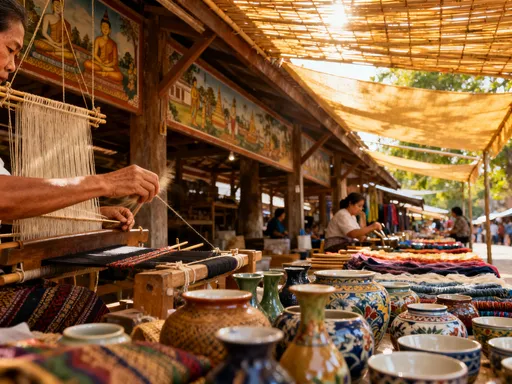
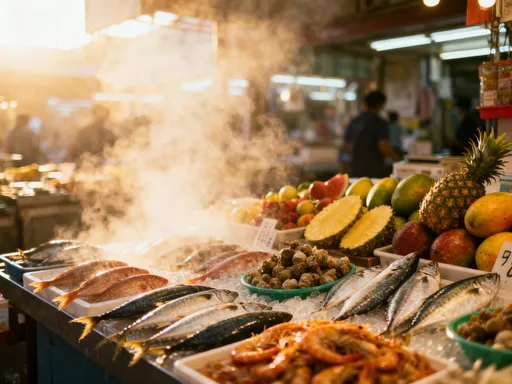
One of the best ways to understand Okinawa’s food culture is to begin the day where locals do—at the morning markets. The most famous of these is Makishi Public Market in Naha, a vibrant, multi-level marketplace that has served the community for over 80 years. Known affectionately as “Okinawa’s kitchen,” Makishi offers a sensory feast: the briny scent of fresh fish, the earthy aroma of tropical roots, and the sizzle of street food grills filling the air. It’s not just a place to shop—it’s a living hub of daily life, where grandmothers haggle for squid and fishermen unload their morning catch.
Visitors should arrive early, ideally between 8:00 and 9:30 a.m., to witness the market at its liveliest and to secure the freshest selections. On the ground floor, stalls overflow with glistening tuna, plump sea urchins, and live crabs, while the upper levels feature prepared foods, snacks, and local specialties. This is where you can try mimigaa, a delicacy made from boiled pig’s ears, served with vinegar and chili for a tangy, crunchy bite. For something sweeter, look for sata andagi—deep-fried doughnuts with a texture somewhere between a beignet and a cake doughnut, often flavored with brown sugar or beni imo (purple sweet potato).
Navigating Makishi with limited Japanese can be challenging, but it’s far from impossible. Many vendors are accustomed to tourists and will respond to simple gestures or photo orders. Some stalls even have English menus or picture boards. For a more immersive experience, consider joining a guided food tour led by a bilingual local. These tours not only help break the language barrier but also provide context—explaining the history behind a dish or the best way to eat it.
Beyond Makishi, smaller regional markets offer equally authentic experiences. In Ishigaki, the Omishima Market opens early each morning with fresh produce, handmade tofu, and local sweets. In Miyako Island, the Yonaha Market features tropical fruits like sugar apples and dragon fruit, along with freshly caught reef fish. These markets may be less crowded, but they offer a more intimate glimpse into island life, where food is still deeply tied to the rhythms of nature and community.
The Heart of the Table: Okinawan Home Cooking and Family Traditions
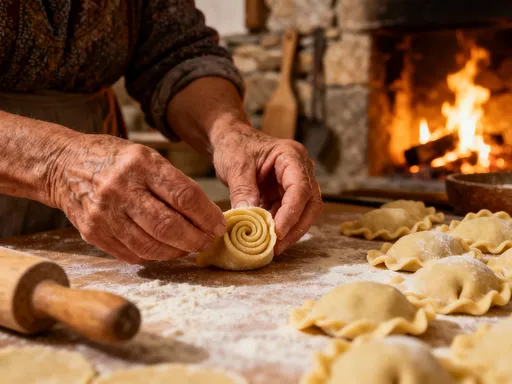
While restaurants and markets showcase Okinawa’s culinary diversity, the true essence of its food culture lies in the home kitchen. Here, recipes are passed down orally, often without written instructions, and meals are prepared with care and intention. Family meals are more than just nourishment—they are acts of love, remembrance, and continuity. Dishes like tebichi, a rich stew of pig’s trotters simmered in soy sauce and kombu, are often made for special occasions, their gelatinous texture symbolizing strength and longevity.
One of the most iconic home-cooked dishes is goya champuru, a stir-fry that embodies the Okinawan philosophy of balance and resourcefulness. Traditionally made with bitter melon, egg, tofu, and pork, it varies by season and household. In summer, when goya is at its peak, the dish is a cooling staple. In winter, it might include root vegetables or leftover meat. The name “champuru” comes from the Okinawan word for “mixed,” reflecting not only the ingredients but also the cultural blending that defines the islands. Eating goya champuru is not just about taste—it’s about participating in a tradition of harmony and resilience.
For visitors, experiencing home-style Okinawan cooking doesn’t require an invitation to someone’s house. Many small, family-run restaurants—often marked by simple signage and plastic seating—serve the same dishes that would be found at a family dinner table. These eateries, sometimes called “Okinawan home kitchens” or “minshuku dining,” offer set meals that change daily based on what’s fresh and available. Some even welcome guests to watch the cooking process or ask questions about ingredients.
Another way to connect with home cooking is through cooking classes, now widely available across the main islands. These hands-on experiences allow participants to learn how to prepare classic dishes, from assembling tempura-battered beni imo to seasoning a proper pot of Okinawa soba. More than just a lesson in technique, these classes offer insight into the values behind the food—patience, respect for ingredients, and the joy of sharing a meal. Many instructors emphasize that Okinawan cooking is not about perfection, but about intention and connection.
Street Food Gems: What to Grab on the Go
Okinawa’s street food scene is a celebration of simplicity, flavor, and convenience. Whether you’re exploring a festival, walking along Kokusai Street, or waiting for a ferry, there’s always something delicious within reach. The most iconic street food is Okinawa soba, a noodle soup that differs significantly from its mainland counterpart. Made with thick wheat noodles in a pork-based broth, it’s typically topped with soki (pork ribs), green onions, and beni shoga (pickled red ginger). Unlike ramen, which is often rich and heavy, Okinawa soba is light, savory, and deeply satisfying—a perfect meal on a warm day.
Another must-try is beni imo tempura, made from the island’s signature purple sweet potato. The vibrant purple flesh turns golden when fried, offering a sweet, nutty flavor that’s both indulgent and wholesome. Sold at roadside stands, convenience stores, and specialty shops, beni imo is also used in ice cream, cakes, and even alcoholic drinks. Its popularity has turned it into a symbol of Okinawan identity, representing the island’s unique agricultural heritage.
For those seeking something more adventurous, jouchin, or deep-fried pork intestine, offers a crispy, chewy texture with a rich, savory taste. While it may sound intimidating to some, it’s a beloved snack among locals and often enjoyed with a cold beer at an izakaya. Similarly, nakami, a spicy stew made from pork offal, is a warming dish commonly found at night markets and food stalls.
Hygiene standards at street food vendors are generally high, especially in tourist areas and official market zones. Most vendors use gloves, disposable utensils, and clear food covers. Prices are also reasonable, with most items ranging from 200 to 600 yen. Ordering is usually straightforward—pointing at menu boards or prepared items works well, and many vendors appreciate even a simple “one please” in Japanese. The casual, no-fuss atmosphere encourages exploration, making street food one of the most accessible and enjoyable ways to experience Okinawan culture.
Where to Eat: Balancing Tourist Spots and Hidden Local Favorites
Finding authentic food in Okinawa doesn’t mean avoiding tourist areas altogether—it’s about knowing how to navigate them. Popular spots like Kokusai Street in Naha are filled with restaurants catering to visitors, but among the souvenir shops and chain eateries, there are hidden gems waiting to be discovered. The key is to look for signs of local patronage. A restaurant with a mix of Japanese and foreign customers, or one where the menu is primarily in Japanese with limited English, is more likely to serve genuine Okinawan dishes.
For a more off-the-beaten-path experience, explore the side streets and residential neighborhoods. In Naha, the area around Tsuboya pottery district has several small izakayas where office workers unwind after work with plates of sashimi and glasses of awamori. In Chatan, near American Village, family-run diners serve hearty plates of champuru and soba at affordable prices. These places may not have flashy signs or online reviews, but they offer a truer taste of daily island life.
Portion sizes in Okinawan restaurants are often generous, especially in local eateries. Sharing is common, and many dishes are designed to be enjoyed family-style. Don’t hesitate to order multiple items and pass them around the table. This not only allows you to try more flavors but also mirrors the communal spirit of Okinawan dining.
Building rapport with staff can also enhance the experience. Learning a few simple Japanese phrases—like “sumimasen” (excuse me), “arigatou gozaimasu” (thank you), or “osusume wa nan desu ka?” (what do you recommend?)—can go a long way. Even a smile and a polite gesture can open doors to personalized recommendations or a complimentary side dish. In Okinawa, hospitality is deeply valued, and kindness is often returned with warmth and generosity.
Beyond Taste: The Lifestyle Behind the Longevity Diet
Okinawa is world-renowned for having one of the highest concentrations of centenarians—people who live to 100 or beyond. While genetics play a role, researchers agree that lifestyle and diet are key factors. The traditional Okinawan diet, rich in vegetables, legumes, and fish, and low in processed foods and red meat, has been linked to lower rates of heart disease, cancer, and dementia. But it’s not just *what* people eat—it’s *how* they eat.
One of the most important principles is hara hachi bu, a Confucian teaching that means “eat until you are 80 percent full.” This practice encourages mindful eating, prevents overconsumption, and supports digestive health. In Okinawan homes, meals are often served in smaller portions, with multiple dishes shared among diners. This allows people to enjoy a variety of flavors without overeating.
Plant-based foods dominate the plate. Sweet potatoes, bitter melon, tofu, seaweed, and leafy greens are staples, providing fiber, antioxidants, and essential nutrients. Fish, especially fatty varieties like mackerel and tuna, are consumed several times a week, offering omega-3 fatty acids that support brain and heart health. Pork is enjoyed regularly but in moderation, often in soups or stews that stretch a small amount across multiple servings.
Meals are also social events, typically eaten with family or neighbors. This sense of community contributes to emotional well-being, reducing stress and loneliness—both of which are linked to longevity. Even in modern times, many Okinawans gather for moai, informal social groups that provide mutual support and regular meals. These gatherings reinforce the idea that food is not just fuel, but a bridge between people.
Visitors can adopt small elements of this lifestyle at home. Eating more vegetables, practicing portion control, and sharing meals with loved ones are simple yet powerful changes. Preparing a bowl of goya champuru or brewing a cup of jasmine tea—common in Okinawa—can be daily reminders of a slower, more intentional way of living.
Making the Most of Your Food Journey: Tips for a Smooth Experience
To fully enjoy Okinawa’s food culture, a little preparation goes a long way. First, plan your market visits for the morning, when produce and seafood are at their freshest. Arriving early also helps avoid crowds and gives you time to explore without rushing. Bring small bills, as many vendors operate on a cash-only basis, and don’t be surprised if credit cards aren’t accepted even in some restaurants.
If you have food allergies or dietary restrictions, communicate them clearly. While English signage is becoming more common, it’s still limited. Carrying a translation card that lists your allergies in Japanese can be extremely helpful. Common allergens in Okinawan cuisine include pork, shellfish, soy, and wheat, so exercise caution if you have sensitivities.
Seasonality plays a big role in what’s available. In spring, look for fresh mangoes and asparagus. Summer brings an abundance of tropical fruits and bitter vegetables like goya. Autumn is the season for sweet potatoes and sugarcane, while winter features heartier stews and preserved foods. Festivals also offer unique culinary experiences—during the Awamori Festival in October, visitors can sample different varieties of the local spirit and enjoy traditional snacks.
Transportation between food hotspots is relatively easy, especially on Okinawa Island. Buses connect major towns, and rental cars provide flexibility for exploring rural areas. On smaller islands like Ishigaki or Miyako, bicycles and scooters are popular options. Wherever you go, keep an open mind and a curious palate. Trying something unfamiliar—whether it’s a new vegetable or a dish with an unusual texture—can lead to one of the most memorable moments of your trip.
Okinawa’s food culture is more than a list of dishes—it’s a living tradition that welcomes travelers who come with curiosity and respect. By choosing where and how to eat wisely, you don’t just feed yourself. You connect with an island’s rhythm, history, and heart. Let your journey be guided by flavor—and leave with more than just memories.