You Won’t Believe These Hidden Leisure Spots I Found Driving Around Antananarivo
Driving through Antananarivo opened my eyes to a side of Madagascar’s capital most travelers never see. Beyond the bustling markets and historic hilltop palaces, quiet escapes await—hidden parks, lakeside stops, and local hangouts best reached by car. I’ll take you through the most refreshing leisure spots I discovered while exploring at my own pace, sharing why self-driving unlocks a more personal, peaceful journey through this vibrant city. What began as a practical choice—renting a car to avoid unreliable transit—soon transformed into a discovery of calm amid urban rhythm. These are not the typical postcard sights, but real places where locals unwind, nature breathes, and time slows down.
Why Self-Driving in Antananarivo Changes Everything
Navigating Antananarivo on foot or by taxi-brousse can feel fragmented, with long waits, crowded routes, and limited access to quieter neighborhoods. Renting a car, however, offers a new dimension of freedom. The ability to start, stop, and reroute at will turns a standard city visit into a personalized exploration. While traffic in central zones can be dense during morning and evening rush hours, especially along Avenue de l’Independance and near Analakely, driving outside peak times reveals a surprisingly manageable road network. Paved main arteries connect key districts, and smaller side roads—though occasionally uneven—open up access to green spaces and scenic overlooks that public transport rarely serves.
One of the greatest advantages of self-driving is spontaneity. You’re no longer bound by schedules or fixed drop-off points. Spot a shaded park tucked behind a hill? You can pull over. Notice a roadside fruit vendor with bright red lychees piled high? You can stop and sample. This flexibility is especially valuable when visiting leisure destinations that are slightly off the beaten path, such as Tsimbazaza Park or a quiet stretch along the Ikopa River. Families, in particular, benefit from having space for strollers, snacks, and extra water—simple comforts that make outings with children far more enjoyable.
Comfort and timing control further enhance the experience. Air conditioning becomes a necessity on hot, humid days, and having your own vehicle means you can choose when to escape the midday sun. You also avoid the discomfort of overcrowded minibuses or the unpredictability of shared taxis. With a reliable map app and basic French or Malagasy phrases, navigation becomes straightforward. Most importantly, self-driving allows you to move at a slower pace, absorbing the city’s rhythm rather than rushing through it. It’s not just about convenience—it’s about reclaiming the joy of discovery, one unhurried turn at a time.
Lake Anosy: The Urban Oasis You Can’t Miss
At the heart of Antananarivo lies Lake Anosy, a serene body of water surrounded by walking paths, flowering jacaranda trees, and the occasional fountain. This urban oasis is one of the city’s most beloved leisure spots, especially for residents seeking a peaceful break from daily routines. Easily accessible by car from most central neighborhoods, it offers a rare blend of natural beauty and city convenience. The circular path around the lake is perfect for a short stroll, a quiet jog, or simply sitting on a bench with a book. Benches are shaded by tall trees, and small kiosks sell cold drinks, roasted peanuts, and sweet plantain chips—simple pleasures that enhance the relaxed atmosphere.
What makes Lake Anosy particularly enjoyable for drivers is the availability of nearby parking and the ease of combining a visit with other city errands or meals. Several local cafés and restaurants line the adjacent streets, offering outdoor seating with views of the water. These spots are ideal for a midday coffee or a light lunch after a morning of sightseeing. One popular choice is a quiet café just off Avenue de l’Independance, known for its fresh fruit juices and homemade samosas. The surrounding area also features small flower markets and artisan stands, adding a cultural touch to the outing.
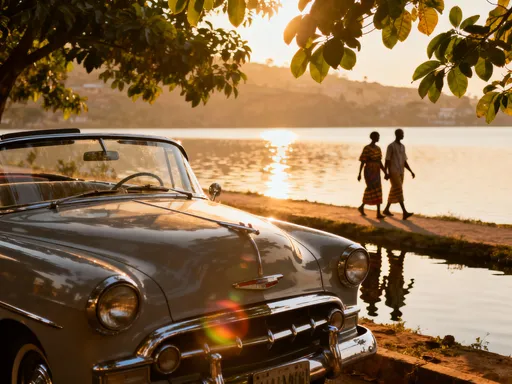
For the best experience, visit early in the morning or late in the afternoon. During these times, the light is soft, the air is cooler, and the lake is less crowded. Early risers might catch locals practicing tai chi or walking their dogs along the path. Sunset brings a golden glow over the water, often reflected in the glass façades of nearby buildings. Safety is generally good in this area, especially during daylight hours, but it’s wise to remain aware of your surroundings and avoid walking alone after dark. Lake Anosy is not just a scenic stop—it’s a living part of the city’s daily rhythm, where relaxation and community intersect.
Tsimbazaza Park: Nature, History, and Family Fun Combined
Just across the Ikopa River from the city center, Tsimbazaza Park offers a full-day escape that blends nature, education, and recreation. This expansive green space is one of Antananarivo’s best-kept secrets for families and nature lovers. Driving here is the most practical way to visit, as it allows you to bring picnic supplies, strollers, or extra water—items that would be cumbersome on public transit. The park’s entrance is clearly marked, and small parking areas are available nearby, making it accessible even for first-time drivers in the city.
The heart of Tsimbazaza is its botanical garden, a lush collection of native Malagasy plants, including rare orchids, traveler’s palms, and towering baobab saplings. Winding paths invite slow exploration, with informational signs offering insights into Madagascar’s unique biodiversity. Adjacent to the garden is the Tsimbazaza Zoo, which, while modest in size, plays an important role in conservation and education. It houses endemic species such as the ring-tailed lemur, fossa, and various reptiles. For children, the zoo is both entertaining and informative, offering a rare chance to see animals that are otherwise difficult to spot in the wild.
One of the park’s most striking features is its panoramic view of the old Rova of Antananarivo, the historic royal palace perched on a hilltop. From certain vantage points, you can see the palace’s distinctive wooden architecture framed by green hills—an image that captures the city’s layered history. The park also includes open lawns perfect for picnics, shaded seating areas, and small playgrounds for younger visitors. Because of its size and variety, Tsimbazaza rewards multiple visits. Whether you come to walk among the plants, observe wildlife, or simply enjoy a quiet meal outdoors, it offers a rare combination of leisure and learning. By arriving in your own vehicle, you control the pace and duration of your stay, making it a truly personalized experience.
Ambohitsorohitra Park & The Presidential Palace Viewpoint
Nestled in the political and administrative heart of Antananarivo, Ambohitsorohitra Park is a compact but meaningful green space that offers both relaxation and a touch of national significance. The park surrounds the Presidential Palace, making it a symbolic location as well as a quiet retreat. Unlike busier tourist sites, this area maintains a calm, dignified atmosphere. Shaded pathways, neatly trimmed hedges, and open lawns provide a peaceful setting for a short break between city drives. Benches are strategically placed under tall trees, offering cool spots to sit and observe the gentle flow of pedestrian traffic.
One of the park’s main attractions is the clear view of the Presidential Palace from the front gates. The building itself, with its colonial-era architecture and elevated position, commands attention without being imposing. Visitors are not allowed inside, but the exterior and surrounding gardens are impressive to see up close. Security is present but unobtrusive, and as long as visitors remain respectful and stay on public paths, they are welcome to take photos and enjoy the scenery. The park is especially pleasant in the late afternoon, when the sun casts a warm light over the façade and the temperature begins to drop.
Because of its central location, Ambohitsorohitra Park is easy to include in a broader city tour. It’s just minutes from City Hall, the Central Market, and several government buildings, making it a natural pause point during a day of exploration. For drivers, parking is limited but manageable if you arrive outside peak hours. Some nearby side streets offer short-term parking, and local attendants often help guide vehicles to available spots. While the park doesn’t have cafés or kiosks, its proximity to restaurants and cafés in the Ankorondrano district means refreshments are never far away. More than just a green space, Ambohitsorohitra represents the quiet dignity of the city—a place where history, governance, and daily life coexist in harmony.
The Charm of Antaninarenina Market and Surrounding Cafés
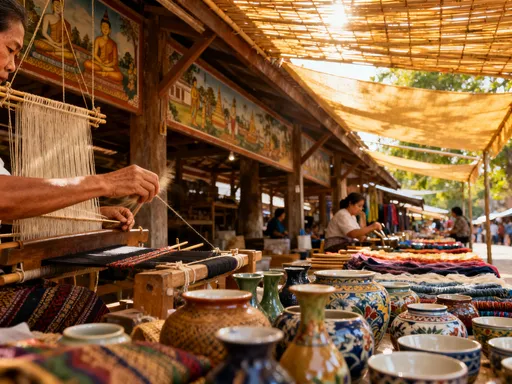
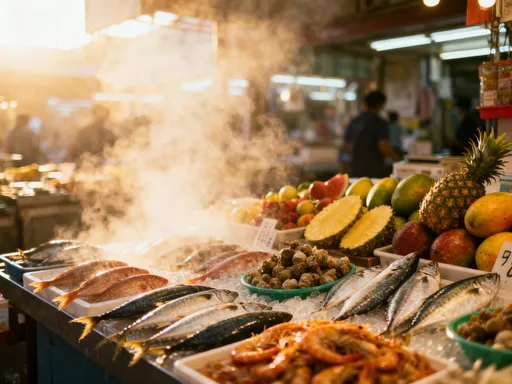
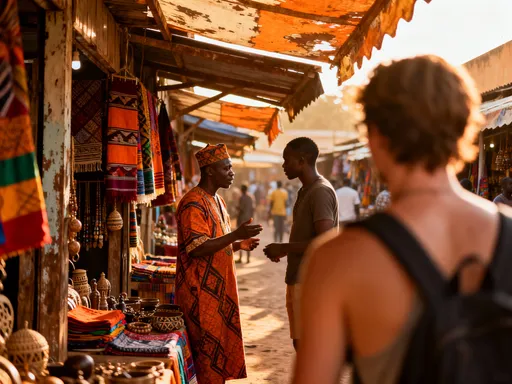
For a more cultural leisure experience, a visit to Antaninarenina Market offers a vivid glimpse into the rhythms of local life. Unlike the larger Central Market, which can feel overwhelming, this neighborhood market has a more intimate, community-focused atmosphere. Parking nearby allows you to explore at your own pace, observing the colorful displays of fresh produce, handwoven textiles, and household goods. Vendors call out prices in Malagasy, children dart between stalls, and the scent of grilled meat and ripe mangoes fills the air. It’s not just a place to shop—it’s a place to witness the pulse of everyday Antananarivo.
After browsing the market, the real pleasure lies in unwinding at one of the quiet cafés just a short walk away. These establishments, often family-run, offer a peaceful contrast to the market’s energy. Seated at a small table under a thatched awning, you can sip on freshly brewed coffee or a glass of ginger-infused soda while watching the world go by. Some cafés serve light meals—think rice with lentils, boiled eggs, or fried doughnuts—simple fare that reflects local tastes. People-watching becomes a quiet joy, as neighbors greet each other, students review notebooks, and elders play board games under the trees.
To make the most of this experience, aim to arrive early in the morning, between 7:00 and 9:00 a.m. This is when the market is most active but not yet overcrowded, and the cafés are calm and welcoming. By midday, both areas can become busy and warm, especially in the dry season. Driving to the location ensures you can leave when you choose, avoiding the discomfort of waiting for a shared taxi in the heat. The combination of market exploration and café relaxation offers a balanced leisure outing—one that engages the senses and deepens your connection to the city’s culture. It’s a reminder that true relaxation isn’t always found in silence, but in the comfort of human rhythm.
Day Trip to Anjozorobe: Forests, Rivers, and Roadside Stops
For those seeking a deeper escape, a self-drive day trip to Anjozorobe—about 60 kilometers east of Antananarivo—offers a refreshing immersion into Madagascar’s lush highland scenery. The journey itself becomes part of the adventure, as the city’s red-brick rooftops gradually give way to rolling green hills, terraced rice fields, and small villages connected by dirt roads. Driving allows you to set your own pace, stopping whenever a viewpoint, river crossing, or local snack stand catches your eye. Along the way, roadside vendors sell grilled corn, sugarcane juice, and boiled sweet potatoes—simple, fresh treats that enhance the sense of travel.
Anjozorobe is known for its bamboo forest, a protected area where guided walks reveal the delicate ecosystem of Madagascar’s eastern corridor. The forest floor is soft with fallen leaves, and the air is cool and fragrant. Local guides, often hired at the entrance, share knowledge about native plants, bird species, and traditional uses of bamboo. For families, this is a safe and educational outing, combining light physical activity with cultural insight. Nearby, the Sisaony River offers opportunities for a refreshing break—some visitors bring towels or shoes for wading, while others simply sit on the banks and enjoy the sound of flowing water.
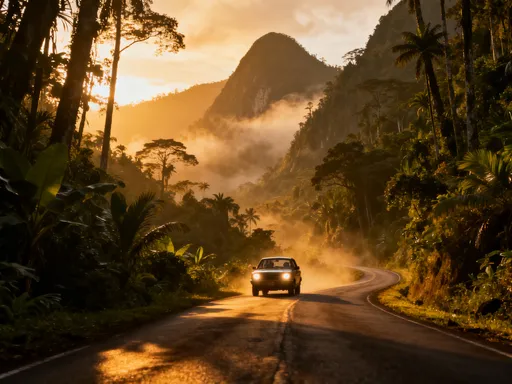
Because public transport to Anjozorobe is infrequent and often uncomfortable for long stays, having a car makes all the difference. You can arrive early, spend several hours in the forest, and return before dark without rushing. Packing a picnic—perhaps fresh fruit, bread, and water—adds to the sense of independence. The drive back, especially at sunset, is particularly beautiful, with golden light filtering through the hills. This kind of day trip exemplifies the power of self-driving: it transforms a simple outing into a meaningful journey, where nature, culture, and personal freedom converge.
Practical Tips for Stress-Free Leisure Driving
To fully enjoy the leisure benefits of self-driving in Antananarivo, a few practical considerations can make a big difference. First, choose a reputable car rental agency with well-maintained vehicles and clear rental terms. Several international and local companies operate in the city, offering compact cars suitable for urban driving. Opt for a model with air conditioning and GPS, if possible. Fuel stations are available throughout the city, and prices are relatively stable, though it’s wise to keep the tank at least half full, especially when planning day trips.
Navigation is easier with a reliable offline map app, as mobile data can be inconsistent. Download maps of Antananarivo and surrounding areas before setting out. While road signs exist, they are not always in English, so familiarity with French or Malagasy place names helps. In the city, one-way systems and narrow streets can be confusing at first, but patience and a calm approach go a long way. When parking, look for open lots or streets with available space. In busy areas, local attendants may offer to watch your car for a small tip—this is common and generally safe, though not mandatory.
Understanding local driving etiquette enhances both safety and respect. Drivers in Antananarivo are generally courteous, though horn use is frequent as a warning rather than an insult. Always yield to pedestrians at crosswalks, and drive slowly in residential zones. If you plan to leave the city, ensure your rental agreement allows it and check road conditions in advance, especially during the rainy season when some rural roads may become slippery. With thoughtful preparation, self-driving becomes not just feasible, but deeply rewarding. It opens doors to hidden parks, quiet viewpoints, and spontaneous moments that define authentic travel.
Self-driving in Antananarivo isn’t just about getting around—it’s about rediscovering the joy of slow travel in an underrated African capital. By stepping off the tourist trail and hitting the road, you uncover peaceful parks, local rhythms, and personal moments that define true leisure. This is travel on your terms.