What No One Tells You About Shopping in Libreville
Shopping in Libreville isn’t like strolling through a mall back home. I learned this the hard way. What seems like a simple errand can turn into a maze of overpriced stalls, confusing markets, and tourist traps. From inflated prices to authenticity issues, the pitfalls are real. But with the right approach, you can find genuine crafts and fair deals. Let me walk you through what to watch out for—and how to shop smarter in Gabon’s capital.
First Impressions: The Allure and Illusions of Libreville’s Shopping Scene
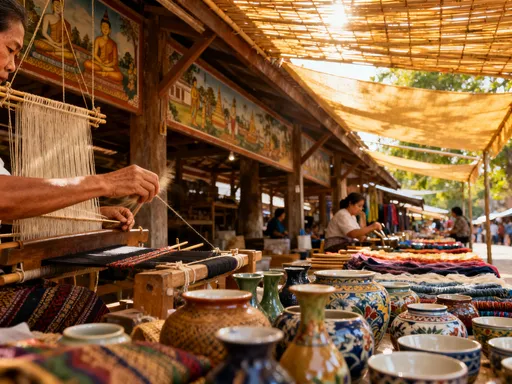
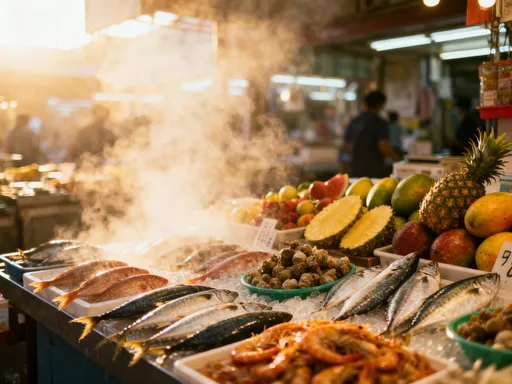
For many travelers, the first glimpse of Libreville’s markets is nothing short of enchanting. The air hums with rhythm, the scent of grilled fish and ripe mangoes drifts between stalls, and the colors—bold textiles, hand-carved masks, and beaded jewelry—pop against the backdrop of bustling streets. It’s easy to believe you’ve stepped into a living gallery of Gabonese culture. Yet beneath this vibrant surface lies a more complex reality. The excitement of discovery can quickly fade when you realize that not every stall offers authentic goods, and not every price is fair.
One of the most common misconceptions among tourists is that all items in local markets are handmade by artisans from nearby villages. While some are, a growing number of goods are mass-produced imports from Southeast Asia or China, repackaged and sold as “local art.” These imitations often lack the cultural depth and craftsmanship of genuine pieces, yet they carry a premium simply because they’re marketed to visitors. Another myth is that prices are fixed, especially in official-looking shops. In truth, bargaining is expected in most informal markets, and failing to negotiate can mean paying two or three times the fair value.
These misunderstandings don’t just affect your wallet—they shape your entire experience. Shopping in Libreville isn’t just about acquiring souvenirs; it’s an opportunity to connect with Gabonese traditions, support local livelihoods, and deepen your understanding of the country’s heritage. When tourists are misled by inflated prices or fake goods, they miss out on meaningful interactions and risk contributing to a cycle of exploitation. Awareness is the first step toward changing that. By recognizing the gap between expectation and reality, you can approach shopping not as a transaction, but as a journey into the heart of Gabonese life.
Navigating Libreville’s Main Markets: From Saint-Michel to Sandervalia
Libreville offers several key shopping destinations, each with its own character and offerings. The most well-known is the Saint-Michel Market, a sprawling hub located in one of the city’s oldest neighborhoods. This market is a favorite among both locals and visitors, offering everything from fresh produce and spices to traditional clothing, wooden carvings, and handmade baskets. The energy here is electric—vendors call out in French and Fang, children weave between stalls, and the sound of mbira music occasionally drifts from a nearby radio. Saint-Michel is ideal for those seeking an immersive experience, but its popularity also makes it a hotspot for inflated prices aimed at tourists.
Another major destination is the Sandervalia Market, situated in a quieter, more residential area. Smaller than Saint-Michel, it tends to cater more to everyday needs, with a strong focus on food, household goods, and locally made textiles. Because it sees fewer international visitors, prices here are often more reasonable, and vendors may be more open to genuine conversation. The layout is less formal, with stalls arranged in loose clusters rather than organized aisles, which can make navigation a bit challenging for first-time shoppers. However, this informality also adds to its authenticity.
Beyond these two main markets, countless roadside stalls and pop-up vendors line the streets of neighborhoods like Quartier Quatre and Louis, especially in the early mornings and late afternoons. These micro-markets offer a more spontaneous shopping experience, often featuring seasonal fruits, handwoven mats, or small wooden figurines. While convenient, they require extra caution—without the structure of a formal market, it’s harder to verify the origin of goods or compare prices. Still, for the observant traveler, these informal spots can yield some of the most authentic finds.
Each of these locations reflects a different facet of Libreville’s commercial culture. Saint-Michel dazzles with variety and energy, Sandervalia offers quiet authenticity, and the roadside stalls provide a glimpse into daily life. Understanding their differences helps you choose where to shop based on your goals—whether you’re looking for a specific souvenir, a cultural experience, or simply a taste of local flavor.
The Hidden Hurdles: Language, Bargaining, and Cultural Missteps
One of the most immediate challenges for English-speaking visitors is the language barrier. While French is the official language of Gabon, many vendors in local markets speak limited or no English. Communication often relies on gestures, price tags, or the help of bilingual bystanders. This can lead to misunderstandings, especially when it comes to pricing or product details. A simple “How much?” can become a game of numbers and pointing, and without clarity, you might end up paying more than intended or buying something different from what you thought.
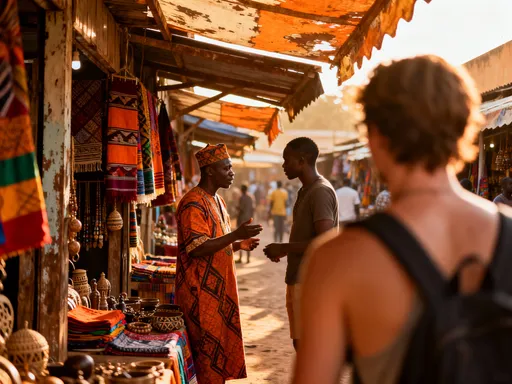
Bargaining is a cornerstone of market culture in Libreville, yet it follows unspoken rules that aren’t always obvious to outsiders. Unlike fixed-price stores, most markets operate on negotiation. Starting at half the quoted price is common, with both parties gradually meeting in the middle. However, aggressive haggling or walking away too quickly can be seen as disrespectful. The goal isn’t just to get the lowest price, but to engage in a fair exchange. Vendors appreciate patience and a friendly demeanor. A smile, a bit of small talk, or even accepting a cup of tea can go further than any negotiation tactic.
Tourists often make small but significant mistakes that undermine their shopping experience. One is oversharing their budget—saying “I have 5,000 CFA” can instantly cap the negotiation at that amount, even if the item is worth less. Another is showing hesitation too openly; a vendor may sense doubt and refuse to lower the price further. Similarly, refusing a tea or snack offer, while seemingly minor, can disrupt the rapport-building process. In many West and Central African cultures, hospitality is a precursor to business. Declining it may signal disinterest or distrust.
These cultural nuances matter because shopping in Libreville is rarely just about the product. It’s about the interaction. The most rewarding purchases often come from vendors who take the time to explain the story behind a mask, the origin of a fabric, or the technique used in a carving. These moments of connection enrich the experience far beyond the item itself. By approaching bargaining with respect and curiosity, you open the door to a more authentic and fulfilling exchange.
Pitfall #1: Overpriced “Authentic” Crafts and Imported Imitations
One of the most disappointing realizations for travelers is discovering that their “handmade Gabonese carving” was actually mass-produced in a factory thousands of miles away. Unfortunately, this is increasingly common in Libreville’s tourist-facing markets. To meet demand, some vendors stock wooden masks, figurines, and musical instruments that are imported from Asia and sold as local art. These items may look authentic at a glance, but closer inspection reveals telltale signs: uniform patterns, smooth machine-made finishes, and lightweight materials that lack the density of genuine hardwood.
Telling the difference requires attention to detail. Authentic Gabonese carvings, especially those from ethnic groups like the Fang or Punu, are typically made from dense tropical woods such as ebony or iroko. They feature asymmetrical designs, subtle imperfections, and symbolic motifs that reflect spiritual or ancestral beliefs. The surface may show tool marks, and the weight should feel substantial in your hands. In contrast, imitations often have overly symmetrical features, plastic-like textures, and generic “afro” designs with no cultural context.
Price is another clue. A genuine hand-carved Fang reliquary figure, for example, can take days to complete and may cost between 50,000 and 150,000 CFA francs (approximately $85–$250 USD) depending on size and detail. If you’re offered a similar piece for 10,000 CFA, it’s almost certainly not authentic. That doesn’t mean lower-priced items are always fake—smaller crafts like beaded necklaces or woven coasters can be affordable and genuine—but unusually low prices for large or intricate pieces should raise suspicion.
The rise of imported imitations isn’t just a problem for tourists; it threatens the livelihoods of real artisans. When cheap fakes flood the market, local craftsmen struggle to compete. Their work, which carries generations of cultural knowledge, is devalued by comparison. By unknowingly supporting this trend, travelers contribute to the erosion of authentic artisanship. The solution lies in informed choices—taking time to ask questions, observing craftsmanship, and prioritizing quality over quantity.
Pitfall #2: Isolation from Local Commerce—The Hotel Boutique Trap
For many visitors, the easiest shopping option is the gift shop inside their hotel. These boutiques offer a curated selection of crafts, jewelry, and textiles, often displayed under soft lighting with neat price tags and English descriptions. On the surface, they seem like a safe and convenient choice. But convenience comes at a cost—literally. Items in hotel shops typically carry markups of 200 to 300 percent compared to what you’d pay in a local market. A wooden mask priced at 60,000 CFA in a hotel might be available for 20,000 CFA just a few blocks away.
The problem isn’t just the price. Hotel boutiques often have a limited and generic selection, favoring items that appeal to broad tourist tastes rather than reflecting the diversity of Gabonese craftsmanship. You’ll frequently see the same types of masks, batik fabrics, and beaded bracelets, regardless of which hotel you visit. While some high-end hotels do partner with local cooperatives and verify the authenticity of their goods, many simply source from middlemen who may not prioritize ethical production.
More importantly, shopping at hotel boutiques removes you from the heart of local commerce. You miss the chance to interact with artisans, hear their stories, and witness the creative process firsthand. These interactions are often the most memorable parts of a trip—a conversation with a weaver in Sandervalia, a demonstration of carving techniques in Saint-Michel, or a shared laugh over a language mix-up. When you buy from a hotel shop, you trade these moments for convenience.
That said, hotel boutiques aren’t always a bad choice. They can be a good option for last-minute gifts, especially if you’re short on time or unsure about navigating the markets. Some hotels even showcase verified artisan partnerships, offering fair-trade-certified items with detailed origin stories. In those cases, the higher price may reflect ethical sourcing and support for local communities. The key is to be discerning—ask where the items come from, whether the artisans are fairly compensated, and if possible, compare them to what’s available outside the hotel.
Shopping Smarter: Practical Strategies for Better Deals and Real Connections
Shopping in Libreville becomes far more rewarding when you approach it with preparation and respect. One of the simplest yet most effective strategies is timing. Visiting markets in the early morning, between 7:00 and 9:00 a.m., gives you access to the freshest goods and the most attentive vendors. By late afternoon, many stalls begin to close, and energy levels drop. The end of the week, particularly Friday and Saturday, is also a good time to shop, as vendors may be more willing to negotiate to clear inventory before the weekend.
Another key tactic is knowing how to identify trustworthy vendors. Look for those who display consistent craftsmanship, keep a clean and organized stall, and are willing to explain the origin of their products. Local recommendations are invaluable—ask your hotel staff (if they’re Gabonese), taxi drivers, or tour guides for suggestions on reliable artisans. Some vendors may even have regular customers who vouch for their integrity. Over time, you’ll learn to recognize the signs of authenticity, both in the goods and in the people selling them.
Practical habits also make a difference. Carry small denominations of CFA francs—1,000, 2,000, and 5,000 bills—to make bargaining easier and avoid the hassle of receiving large change. Avoid wearing flashy jewelry or carrying expensive electronics, as this can signal wealth and invite higher quotes. Dressing modestly and blending in helps you appear more like a local, which can lead to fairer treatment.
Supporting ethical vendors means going beyond price. Ask questions: “Did you make this yourself?” “Where is this fabric from?” “How long did it take to carve?” These inquiries show respect and often lead to richer conversations. Vendors who take pride in their work will happily share details. Look for traits like patience, knowledge, and a willingness to let you examine items closely. If a vendor pressures you to buy quickly or refuses to answer questions, it’s best to walk away. Remember, the goal isn’t just to get a good deal, but to make a purchase that feels meaningful and respectful.
Beyond the Purchase: Turning Shopping into a Meaningful Cultural Experience
At its best, shopping in Libreville transcends the act of buying and becomes a form of cultural exchange. When you take the time to engage with a vendor, to listen to their story, you’re not just acquiring an object—you’re gaining insight into a way of life. I remember speaking with an elderly woman in Saint-Michel who explained that the patterns on her woven baskets represented rainfall and fertility, symbols passed down from her grandmother. That conversation transformed a simple purchase into a lasting memory.
Many artisans in Libreville are not just sellers but custodians of tradition. Their work carries the weight of history, spirituality, and community identity. A Fang mask isn’t merely decorative—it may have been used in ancestral ceremonies. A piece of raffia cloth might be woven for a specific rite of passage. When you understand this context, the value of the item deepens. It’s no longer just a souvenir; it’s a story you can carry home.
To deepen this experience, consider combining shopping with cultural visits. Some community cooperatives and artisan workshops offer guided tours where you can watch crafts being made, try your hand at weaving or carving, and meet the artists behind the work. These visits are often arranged through local tour operators or cultural centers and provide a transparent, ethical way to support the creative economy. They also ensure that your money goes directly to the makers, not middlemen.
Shopping, when done thoughtfully, becomes a bridge between cultures. It allows you to contribute to local livelihoods while gaining a deeper appreciation for Gabon’s artistic heritage. The most valuable souvenirs aren’t always the most expensive or the most elaborate—they’re the ones tied to a moment of connection, a shared smile, or a story that stays with you long after you’ve returned home.
Conclusion
Shopping in Libreville doesn’t have to be a frustrating maze of traps and regrets. With awareness, patience, and respect, it can become one of your most authentic travel experiences. By avoiding common pitfalls and engaging thoughtfully, you support local livelihoods and take home more than souvenirs—you bring back stories worth sharing. Whether you’re browsing the lively aisles of Saint-Michel, sipping tea with a Sandervalia vendor, or watching a craftsman at work, each interaction adds depth to your journey. Libreville’s markets are more than places to spend money—they’re gateways to culture, community, and connection. Approach them with care, and you’ll find that the true value of shopping isn’t measured in francs, but in the memories you make.