This Road Trip Through Borneo’s Wild Side Will Steal Your Heart
Driving through Kota Kinabalu, I never expected to find such raw, untouched beauty just beyond the city. The moment I hit the open road, mountains rose like ancient sentinels and emerald jungles unfolded in every direction. This isn’t just a trip—it’s a journey into nature’s quiet soul. With each mile, I discovered hidden waterfalls, misty highlands, and coastal views that took my breath away. If you crave real connection with nature, self-driving here is pure magic. The balance between accessibility and wilderness makes northern Borneo a rare gem, where urban comfort meets untamed landscapes. This journey through Sabah offers not only visual splendor but emotional restoration, a chance to reconnect with the earth and with oneself.
Why Kota Kinabalu Is the Perfect Base for a Nature Road Trip
Kota Kinabalu, nestled along the northwest coast of Malaysian Borneo, serves as an ideal starting point for those seeking both convenience and adventure. As the capital of Sabah, it offers modern amenities—international hotels, a well-connected airport, and reliable car rental services—while being just a short drive from some of Southeast Asia’s most pristine natural environments. The city itself lies in a coastal basin, flanked by the South China Sea to the west and the Crocker Range to the east, placing travelers at the crossroads of marine and mountain ecosystems. Within an hour’s drive, the urban skyline gives way to terraced farms, tropical forests, and villages tucked into rolling hills.
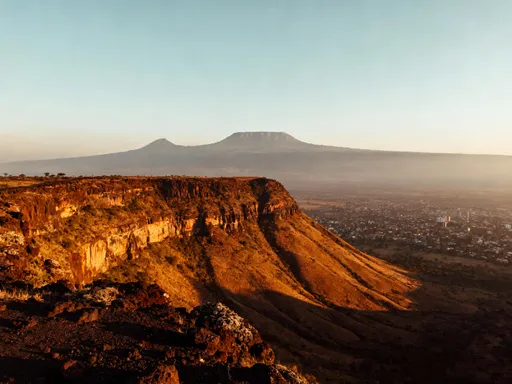
What sets Kota Kinabalu apart from other regional hubs is its proximity to Mount Kinabalu, the highest peak in Southeast Asia at 4,095 meters. Though climbing the mountain requires permits and preparation, even a distant view of its summit—often shrouded in morning mist—carries a powerful presence. The mountain is not just a geological wonder but a cultural symbol for the Kadazan-Dusun people, the indigenous community of the region. It stands as a reminder of nature’s enduring strength and spiritual significance. For travelers, this blend of accessibility and awe-inspiring wilderness creates a seamless transition from city life to immersive natural exploration.
The surrounding region supports a remarkable diversity of habitats. To the south, mangrove forests and wetlands provide sanctuary for birdlife and aquatic species. To the east, the Kinabalu Park UNESCO World Heritage Site protects over 5,000 plant species, including the rare Rafflesia flower. And just beyond the city limits, rural roads lead to farming communities where agriculture blends harmoniously with the landscape. This ecological richness, combined with excellent road infrastructure, makes Kota Kinabalu more than just a transit point—it is a gateway to a deeper, more personal kind of travel. Whether you’re interested in botany, birdwatching, or simply scenic drives, the area offers something for every nature lover.
The Freedom of Self-Driving: Why It Changes Everything
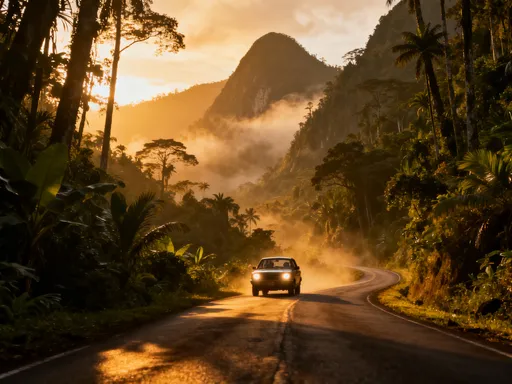
One of the most transformative aspects of exploring Sabah is the ability to travel by car. Public transportation in rural areas is limited, often restricted to fixed routes and schedules that don’t accommodate spontaneous detours. Renting a vehicle, however, unlocks a new level of freedom. It allows travelers to set their own pace, pause at scenic overlooks, and respond to the quiet invitations of the landscape—a roadside fruit stand piled with rambutans and pineapples, a narrow trail disappearing into the jungle, or a local waving from a tea stall tucked beside a rice field. These unplanned moments often become the most memorable parts of the journey.
From the moment you pick up a rental car at Kota Kinabalu International Airport, the experience shifts from passive observation to active discovery. Reputable international and local agencies operate at the terminal, offering well-maintained vehicles suited for both city streets and winding mountain roads. Most travelers opt for compact SUVs or sedans with air conditioning, essential for comfort in the tropical climate. GPS navigation is widely available, though it’s wise to download offline maps in case of spotty signal in remote areas. Road signs are generally clear, with major routes well marked in English and Malay. Driving is on the left, consistent with Malaysian standards, and traffic outside the city moves at a relaxed pace.
Local driving habits are generally courteous, with drivers yielding to pedestrians at crossings and respecting speed limits in populated zones. However, mountain roads can be narrow and winding, especially on the ascent to Kundasang or the descent toward Poring. It’s important to drive defensively, particularly during early morning or evening hours when fog can reduce visibility. Fuel stations are spaced regularly along main highways, and most accept credit cards or mobile payments. The ability to stop whenever and wherever you choose transforms the trip from a checklist of destinations into a sensory-rich narrative shaped by personal curiosity and connection to place.
First Stop: The Mystical Heights of Kundasang Valley
The drive from Kota Kinabalu to Kundasang Valley, approximately two hours northeast, is a gradual ascent into cooler, greener altitudes. As the city fades behind, the road climbs through the Crocker Range, revealing terraced vegetable farms carved into the hillsides. The air becomes noticeably crisper, carrying the scent of damp earth and wild herbs. This region, sitting at about 1,000 meters above sea level, is known for its temperate climate and fertile soil, making it a major agricultural hub for temperate crops like strawberries, cabbage, and lettuce—unusual finds in a tropical country.
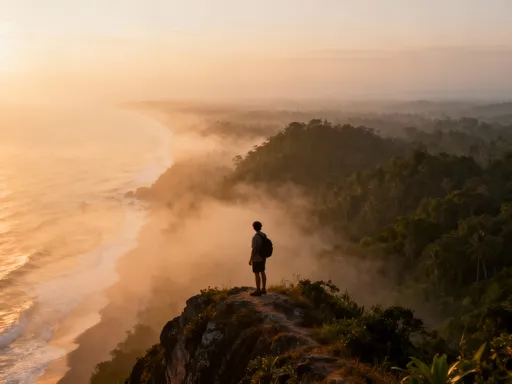
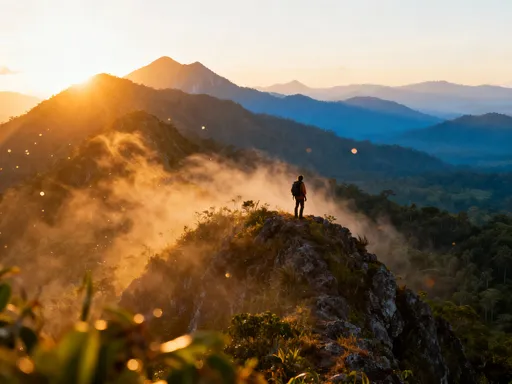
Kundasang itself is a quiet, sprawling village surrounded by rolling hills and framed by the majestic silhouette of Mount Kinabalu. On clear mornings, the mountain’s summit catches the first light, glowing like a crown above the mist. One of the most rewarding experiences here is visiting a hillside viewpoint at dawn, where the valley slowly emerges from the fog. The silence is profound, broken only by the distant call of a hornbill or the rustle of leaves in the breeze. It’s a place that encourages stillness, inviting reflection and gratitude for the grandeur of the natural world.
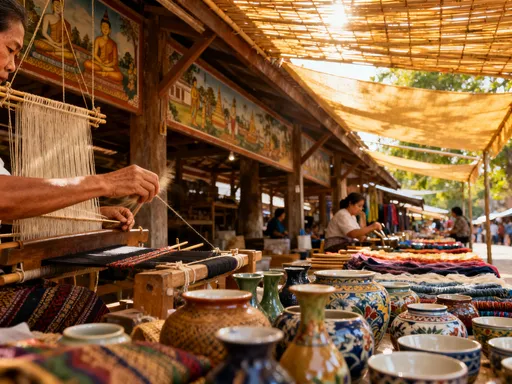
A visit to the local market adds another layer to the experience. Stalls overflow with fresh produce, homemade jams, and warm baked goods, many made by local families using traditional recipes. You might find jars of wild honey, baskets of mountain-grown strawberries, or freshly cut ginger and turmeric. Vendors are friendly but not pushy, happy to share stories about their farms or recommend the best roadside stops. This blend of natural beauty and human warmth makes Kundasang more than just a scenic detour—it becomes a destination of connection, where the rhythms of daily life unfold in harmony with the seasons.
Hidden Waterfalls and Secret Swimming Holes Along the Way
One of the joys of a self-drive journey through Sabah is the discovery of hidden waterfalls accessible only by minor roads or short jungle trails. Unlike crowded tourist attractions, these secluded spots offer privacy, tranquility, and a deeper sense of immersion in nature. Langanan Waterfall, located southeast of Kundasang, is one such gem. The final stretch of road is unpaved, requiring careful driving, but the reward is worth the effort. Nestled in a lush ravine, the waterfall cascades over moss-covered rocks into a clear, cool pool below. The sound of rushing water blends with birdsong, creating a natural symphony that soothes the mind.
The trail to the falls is well-marked but not overly developed, preserving its sense of discovery. Wooden steps and handrails guide visitors safely down the slope, but the experience remains rustic and authentic. Swimming is permitted in designated areas, and the water, fed by mountain springs, is refreshingly cold—a welcome relief after a warm day of driving. Families often picnic nearby, spreading mats on shaded rocks, while children splash cautiously in the shallows. It’s a place of gentle joy, where nature provides both beauty and recreation without fanfare.
Another notable destination is Poring Hot Springs, located within the Kinabalu National Park buffer zone. Though slightly more developed, it retains a peaceful atmosphere. The naturally heated mineral waters are believed to have therapeutic properties, and soaking in the outdoor baths offers a relaxing pause in the journey. Nearby, a canopy walkway stretches above the forest floor, allowing visitors to observe epiphytes, orchids, and birdlife from an elevated perspective. These natural attractions are carefully managed to minimize environmental impact, with entrance fees supporting conservation efforts and local employment. By visiting responsibly—staying on paths, avoiding littering, and respecting signage—travelers contribute to the preservation of these fragile ecosystems.
Coastal Detour: The Untamed Beauty of Tuaran and Donggongon
While the mountainous interior of Sabah captivates with its cool heights and dense forests, the coastal drive north from Kota Kinabalu reveals a different kind of beauty—one shaped by tides, wind, and the daily rhythms of fishing communities. The route to Tuaran and Donggongon follows the shoreline of the South China Sea, where rugged cliffs give way to sandy inlets and small fishing boats bob at anchor. This stretch of road is less traveled by tourists, offering a glimpse into the quieter, working side of coastal life.
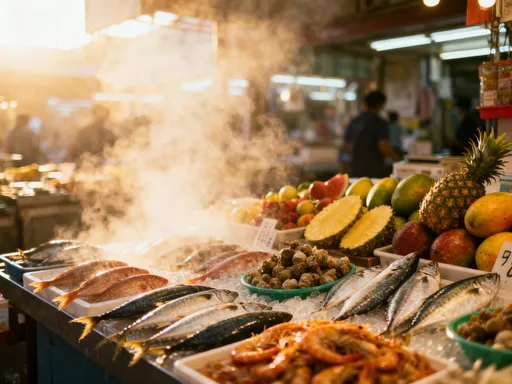
Tuaran is known for its fresh seafood and traditional snacks, particularly *putu bambu*, a delicate steamed rice cake cooked in bamboo tubes and filled with palm sugar. Sold by roadside vendors in the early morning, these treats are best enjoyed warm, with a light dusting of grated coconut. The aroma of coconut and steamed rice lingers in the air, mingling with the salty breeze. Local fishermen unload their catch at small jetties, sorting prawns, squid, and reef fish for sale at nearby markets. Some stalls offer grilled seafood on the spot, served with chili-lime dipping sauce and a side of fresh cucumber.
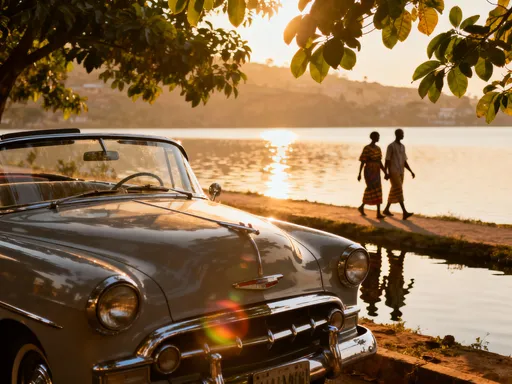
Driving along this coast during golden hour is a visual delight. The sun dips toward the horizon, casting a golden glow over the water and illuminating the silhouettes of fishing boats. The road curves gently, offering frequent pull-offs where travelers can pause to take photographs or simply breathe in the sea air. Unlike the bustling beaches of commercial resorts, these shores remain unspoiled, with no high-rise hotels or loud music. It’s a place where time slows, and the simple pleasures—watching waves, listening to gulls, sharing a meal with locals—take center stage. This coastal detour reminds us that beauty exists not only in grand vistas but in the quiet details of everyday life.
Nature Meets Culture: Brief Encounters in Rural Sabah
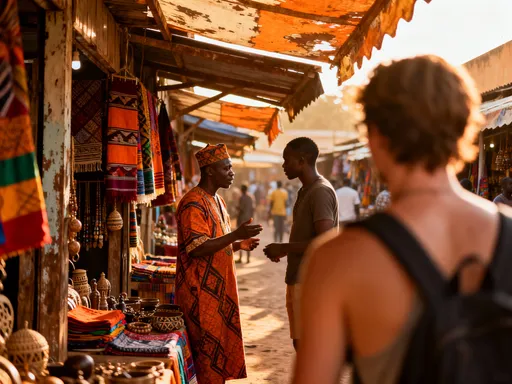
One of the most enriching aspects of a road trip through Sabah is the opportunity to engage with rural communities in a respectful, low-key way. In small towns and villages, life unfolds at a gentle pace. Markets are not performances for tourists but real places of exchange, where farmers sell their harvest, children buy snacks after school, and elders gather under shaded awnings to chat. These interactions, though brief, offer genuine insight into the values of hospitality, resilience, and connection to the land.
In villages near Kundasang and Tambunan, traditional houses built on stilts remain common, designed to withstand heavy rains and allow airflow in humid conditions. Roofs are often thatched or made of corrugated metal, and walls are constructed from wood or woven bamboo. These homes reflect centuries of adaptation to the environment, blending functionality with cultural identity. Some families welcome visitors to see their gardens, where they grow vegetables, herbs, and fruit trees using organic methods passed down through generations. These moments of openness are not staged; they arise from mutual respect and curiosity.
Ethical tourism plays a crucial role in preserving these communities. Travelers are encouraged to support local economies by purchasing goods directly from vendors, hiring local guides for hikes, or dining at family-run eateries. Photography should always be done with permission, especially when capturing people or private property. The goal is not to observe from a distance but to participate thoughtfully, leaving a positive footprint. When done with care, these encounters become bridges of understanding, enriching both visitor and host. They remind us that travel is not just about seeing new places but about connecting with the people who call them home.
Final Reflection: Why This Journey Stays With You
As the road winds back toward Kota Kinabalu, the impressions of the journey settle into something deeper than memory. The cool mist of Kundasang, the rush of hidden waterfalls, the golden light over the coast—these moments linger not just as images but as feelings. There is a quiet transformation that occurs when one spends days immersed in nature, moving at the pace of the land rather than the rush of daily life. The constant hum of the engine becomes a meditation, the changing landscapes a silent teacher.
This journey through Sabah’s wild heart is not about ticking off attractions or capturing perfect photos. It is about presence—about learning to see, to listen, to breathe with the rhythm of the earth. In a world that often feels fragmented and fast, such travel offers restoration. It reminds us that wonder still exists in untouched places, and that freedom can be found not in speed but in slowness, not in noise but in silence.
For women in their 30s to 50s, many of whom balance family, work, and personal aspirations, this kind of journey holds special meaning. It is a rare chance to step away, to rediscover oneself amid beauty and stillness. It is not escape, but reconnection. And when the trip ends, the road does not truly fade. It stays in the way you carry yourself—in a calmer mind, a lighter heart, and a renewed sense of what matters. So if you seek a journey that nourishes the soul, let Sabah’s wild side call you. Drive slowly. Stop often. And let the land speak to you, as it has spoken to so many who came before.