You Won’t Believe These Cape Town Secrets – Nature Just Got Real
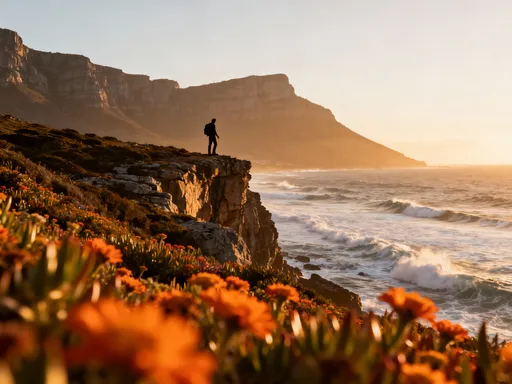
Cape Town isn’t just a destination; it’s a sensory explosion. Imagine standing where ocean cliffs meet mountain peaks, with wildflowers blooming at your feet and the Atlantic breeze in your hair. I’ve explored this city from its highest trails to hidden coves, and the natural beauty constantly left me breathless. This is more than sightseeing—it’s about moments that stick with you. Let me show you how to truly experience Cape Town’s wild soul, the smart way.
Why Cape Town’s Natural Landscape Stands Out
Cape Town occupies a rare geographical stage where dramatic mountain ranges plunge into two oceans, creating a landscape unlike any other on Earth. Nestled between the towering silhouette of Table Mountain and the meeting point of the Atlantic and Indian Oceans, the city is a masterpiece of natural contrast. This isn’t just scenic beauty—it’s a scientifically significant convergence of ecosystems. Table Mountain, part of the Table Mountain National Park, forms the backbone of the Cape Peninsula, rising abruptly from sea level and influencing weather patterns, rainfall distribution, and microclimates across the region.
What makes this area globally unique is the Cape Floristic Region, one of only six floral kingdoms in the world—and the smallest and richest per unit area. Covering less than 0.5% of Africa’s total landmass, it hosts nearly 20% of the continent’s plant species. Over 9,000 plant species grow here, nearly 70% of which are found nowhere else on Earth. This biodiversity hotspot earned UNESCO World Heritage status as part of the Cape Floral Region Protected Areas. The presence of fynbos—a fine-leaved, fire-adapted shrubland—dominates the slopes and plateaus, painting the hillsides in seasonal bursts of color from vibrant proteas to delicate ericas.
The city’s position at the southern tip of Africa means it experiences both Mediterranean and oceanic climate influences. The warm Agulhas Current flows along the False Bay coast, while the cold Benguela Current chills the Atlantic side. This duality shapes everything from water temperature to wind patterns. One moment, you can be basking in clear sunshine at Camps Bay; the next, a sudden “tablecloth” of cloud rolls over Table Mountain, drenching the summit in mist. These microclimates allow for astonishing ecological variety within a small radius—succulents thrive in dry, rocky areas while moisture-loving ferns flourish in shaded kloofs.
For travelers, this means every turn reveals a new natural chapter. You might start your morning hiking through aromatic fynbos, descend into a coastal forest, and end the day watching penguins waddle across a windswept beach. The interplay between land and sea, elevation and exposure, creates an ever-evolving canvas. Understanding this ecological richness transforms a casual visit into a deeper appreciation of how nature operates in harmony—even within a bustling city. Cape Town’s landscape isn’t just beautiful; it’s a living laboratory of adaptation and resilience.
Timing Your Visit for the Best Experience
One of the most important decisions you’ll make is when to visit Cape Town, as timing directly affects your ability to enjoy its natural offerings. The city’s peak tourist season runs from late November through February, which corresponds with the Southern Hemisphere summer. During these months, the weather is generally warm and sunny, with average daytime temperatures ranging from 22°C to 28°C (72°F to 82°F). These are ideal conditions for beach outings, hiking, and outdoor dining. However, this popularity comes at a cost—crowds. Iconic spots like Table Mountain, Boulders Beach, and Cape Point can become congested, with long queues for the cable car and limited parking.
Summer also brings stronger winds, particularly the persistent south-easterly known as the “Cape Doctor,” which clears pollution but can make coastal walks uncomfortable and affect small boat operations. While the False Bay beaches like Muizenberg enjoy warmer waters during this season, the Atlantic side remains chilly due to the upwelling of cold currents. If you’re planning to hike, early morning starts are essential to avoid afternoon heat and thunderstorms, which can develop quickly in summer.
For a more peaceful and equally rewarding experience, consider visiting during the shoulder seasons—September to November (spring) or March to May (autumn). Spring is particularly magical, as the fynbos comes alive with blooming proteas, red disas, and delicate orchids. Trails are less crowded, accommodation rates are lower, and the weather remains pleasant, with mild temperatures and increasing sunshine. Autumn offers stable weather, fewer tourists, and golden light that enhances photography. Rainfall is minimal during these periods, and the risk of extreme wind is reduced.
Winter, from June to August, brings cooler temperatures and more frequent rain, especially on the mountain slopes. While this may deter some visitors, it’s an excellent time for indoor cultural experiences and storm watching along the coast. Some hiking trails may be slippery or closed due to weather, but Table Mountain often wears a dramatic cloud cover that creates a mystical atmosphere. If you don’t mind layering up, winter hikes can be deeply rewarding with near-empty paths and lush, green landscapes after rains. Wildlife viewing also improves in winter, as southern right whales migrate to False Bay to calve, offering exceptional coastal sightings from June to October.
Ultimately, the best time to visit depends on your priorities. If you seek sunshine and beach time, aim for late spring or early summer. If you prefer solitude, blooming flora, and comfortable hiking conditions, shoulder seasons are ideal. Monitoring weather forecasts before arrival and planning flexible itineraries will help you make the most of whatever season you choose.
Must-See Natural Spots (And How to Enjoy Them Right)
No visit to Cape Town is complete without experiencing Table Mountain, the city’s most iconic natural landmark. Rising 1,086 meters above sea level, it offers panoramic views stretching from the Atlantic Ocean to False Bay. The most popular way to reach the summit is via the Table Mountain Aerial Cableway, a rotating cable car that provides 360-degree views during the ascent. It operates daily, weather permitting, and tickets can be purchased online to avoid long queues. While the cable car is convenient, especially for families or those with mobility concerns, hiking offers a more immersive experience.
Several well-maintained trails lead to the top, each varying in difficulty and scenery. Platteklip Gorge is the most direct route, a steep, rocky path that takes about 1.5 to 2.5 hours depending on fitness level. It’s exposed to sun and wind, so proper hydration and sun protection are essential. For a more scenic and shaded ascent, Skeleton Gorge in Cecilia Forest offers a gentler climb through indigenous trees and streams. This trail starts at Kirstenbosch Botanical Gardens, one of the world’s great botanical institutions, allowing visitors to combine a garden stroll with a mountain hike.
Another highlight is the Cape of Good Hope, located within the Table Mountain National Park. This dramatic headland marks the southwestern tip of the Cape Peninsula and is often mistakenly believed to be the meeting point of the Atlantic and Indian Oceans (the actual confluence lies further south). The area features rugged cliffs, winding coastal paths, and abundant wildlife, including chacma baboons, Cape mountain zebras, and over 250 bird species. The Cape Point trail, leading to the historic lighthouse, offers breathtaking ocean views and opportunities for photography. Visitors should keep a safe distance from baboons, avoid carrying food openly, and never attempt to feed them.
Beyond the well-known attractions, Cape Town harbors lesser-known gems that offer solitude and raw beauty. Silvermine Nature Reserve, part of the national park, features a reservoir surrounded by fynbos-covered hills. It’s perfect for picnics, short hikes, and rock climbing. The reserve is home to the endangered geometric tortoise and provides excellent birdwatching opportunities. Misty Cliffs, accessible via a narrow road near Noordhoek, offers a quiet coastal walk with sweeping views of the Atlantic. The area is known for its dramatic rock formations and frequent whale sightings during migration season.
To make the most of these spots, plan your visits early in the day to avoid crowds and midday heat. Wear sturdy footwear, carry water, and check trail conditions online before departure. Guided tours are available for those seeking interpretive insights into geology, flora, and conservation efforts. Whether you choose to hike, drive, or take a guided walk, approaching these places with respect and preparation ensures a safe and memorable experience.
Beaches That Go Beyond the Ordinary
Cape Town’s coastline is remarkably diverse, offering beaches that cater to every kind of traveler—from families seeking safe swimming to adventurers drawn to wild, windswept shores. The city’s beaches fall into two distinct categories based on location: those along the Atlantic Seaboard and those on the False Bay side. The Atlantic beaches, including Camps Bay, Clifton, and Llandudno, are known for their white sand, turquoise water, and dramatic mountain backdrops. However, the water here is cold year-round due to the Benguela Current, making them better suited for sunbathing, picnics, and bodyboarding than prolonged swimming.
Camps Bay, with its palm-lined promenade and vibrant café culture, is popular with both locals and tourists. While the beach is beautiful, it can get crowded during peak season. For a quieter alternative, Llandudno offers a secluded cove framed by granite boulders, ideal for sunbathing and photography. Swimming is possible but should be approached with caution due to strong currents and cold temperatures. Lifeguards are not always present, so swimmers should stay within designated areas and heed warning flags.
On the False Bay side, beaches like Muizenberg and Strand offer warmer waters, making them more suitable for families and beginner surfers. Muizenberg is famous for its colorful beach huts and gentle waves, and it hosts several surf schools that offer lessons for all ages. The beach has lifeguards on duty during peak hours, and the shallow slope makes it safe for children. Strand, further east, is a long stretch of sandy shoreline popular with local families, especially during weekends and holidays.
One of the most unique beach experiences in Cape Town is Boulders Beach, home to a colony of African penguins. These charming birds nest in the rocky shoreline and often waddle across boardwalks and sand to reach the water. Visitors can observe them from designated walkways without disturbing their habitat. The beach itself has sheltered tidal pools where swimming is safe and enjoyable. It’s important to follow park rules—no touching the penguins, no feeding, and keeping noise levels low. This site is part of the Table Mountain National Park, and an entrance fee applies, helping fund conservation efforts.
For those seeking untouched beauty and solitude, Scarborough on the Atlantic side offers a rugged, clothing-optional beach surrounded by fynbos and cliffs. Access is limited, which helps preserve its wild character. Smitswinkel Bay, near Cape Point, is another remote option with golden sand and powerful surf. It’s ideal for long walks and quiet reflection, though swimming is not recommended due to strong rips and cold water. Regardless of which beach you choose, always check current conditions, avoid leaving trash, and respect protected zones. Responsible beach behavior ensures these natural treasures remain pristine for future generations.
Hiking Smart: Trails for Every Level
Hiking is one of the best ways to connect with Cape Town’s natural soul, offering access to viewpoints, forests, and coastal vistas that vehicles cannot reach. The city boasts a network of well-marked trails suitable for all fitness levels, from gentle walks to challenging ascents. For beginners, the Pipe Track is an excellent introduction. This flat, gravel path runs along the base of Table Mountain from Constantia Nek to Hout Bay, offering panoramic views without steep climbs. It’s popular with walkers, runners, and dog owners, and takes about 2 to 3 hours to complete one way. Wildflowers bloom here in spring, and the path passes near disused water pipes that once supplied the city—a subtle reminder of human reliance on natural systems.
Another beginner-friendly option is the trail network in Cecilia Forest, part of Kirstenbosch National Botanical Garden. These shaded paths wind through tall pines and indigenous trees, with interpretive signs explaining the local flora. The Yellowood Trail and Disa Gorge Walk are particularly scenic, leading to a waterfall and offering cool relief on hot days. These trails are well-maintained and safe, making them ideal for families with young children.
Intermediate hikers will find rewarding challenges in routes like Skeleton Gorge and the Smuts Track. Skeleton Gorge, starting at Kirstenbosch, ascends through lush forest and rocky sections to join the summit plateau. It’s less exposed than Platteklip Gorge and offers a more varied landscape. The Smuts Track, beginning at Rhodes Memorial, is longer and steeper, passing through fynbos and offering views of Devil’s Peak. Both trails require moderate fitness and proper footwear. Permits are required for certain restricted areas like Orange Kloof, a pristine forest zone accessible only through guided tours to protect its delicate ecosystem.
For experienced adventurers, India Venster is a thrilling, unofficial route that combines scrambling, exposure, and breathtaking views. This trail involves climbing over boulders and navigating narrow ledges along the eastern edge of Table Mountain. It is not recommended for beginners or those with a fear of heights. Safety is paramount—hikers should go with a partner, carry a map or GPS, and avoid the route in wet or windy conditions. Other advanced options include the Twelve Apostles Traverse and the Suikerbossie Trail, both demanding endurance and route-finding skills.
Regardless of skill level, preparation is key. Always carry at least two liters of water per person, wear a hat and sunscreen, and bring layers for changing weather. Inform someone of your route and expected return time. Stick to marked trails to protect fynbos vegetation and prevent erosion. Check the Table Mountain National Park website or local hiking forums for trail closures and weather alerts. With the right mindset and gear, every hike becomes a journey of discovery.
Respecting Nature While You Explore
As Cape Town’s natural attractions grow in popularity, the importance of responsible tourism becomes ever more critical. The delicate balance of its ecosystems depends on visitor behavior. Much of the city’s wilderness falls within the Table Mountain National Park, a protected area managed by South African National Parks (SANParks). This designation means strict rules are in place to preserve biodiversity, prevent habitat destruction, and ensure sustainable access. Travelers play a vital role in upholding these efforts through mindful choices.
One of the most important principles is staying on marked trails. The fynbos vegetation, while resilient, is easily damaged by trampling. Many plant species take years to recover from even minor disturbance. By sticking to established paths, visitors help prevent soil erosion and protect rare flora like the king protea and the red disa. These trails are carefully designed to minimize environmental impact while maximizing scenic access.
Wildlife encounters are a highlight of any visit, but they must be handled with caution and respect. Baboons, particularly in the Cape Point and Scarborough areas, are wild animals and can become aggressive if they associate humans with food. Never feed them, store food securely in vehicles, and avoid carrying snacks in backpacks while hiking. If approached, remain calm, avoid eye contact, and slowly back away. Other animals, like dassies (rock hyraxes) and mongoose, should also be observed from a distance.
The Leave No Trace philosophy applies strongly in Cape Town’s natural spaces. This means packing out all trash, avoiding single-use plastics, and not picking flowers or removing natural objects. Even seemingly harmless actions—like stacking stones or carving initials—can disrupt ecosystems and diminish the experience for others. Use designated restrooms or portable solutions when necessary, and never leave waste behind.
Supporting conservation can also be as simple as paying entrance fees, which fund park maintenance, anti-poaching units, and ecological research. Choosing eco-certified tour operators and accommodations that prioritize sustainability further contributes to long-term protection. By traveling with awareness and care, visitors help ensure that Cape Town’s wild heart continues to beat strongly for generations to come.
Putting It All Together: A Nature-Focused Itinerary
Planning a nature-centered trip to Cape Town can feel overwhelming given the abundance of options. A well-structured itinerary helps balance must-see landmarks with hidden treasures, ensuring a fulfilling and stress-free experience. Here’s a suggested three-day plan that captures the essence of the city’s natural beauty while allowing room for spontaneity.
Day one begins at Kirstenbosch Botanical Garden, where you can explore the treetop canopy walkway and take the Skeleton Gorge trail up Table Mountain. After reaching the summit, enjoy lunch at the upper cable station café before descending via the cable car. In the late afternoon, head to Kirstenbosch or relax at Newlands Forest for a gentle walk. Evening can be spent in Constantia, known for its vineyards and historic estates.
Day two focuses on the Cape Peninsula. Start early with a drive to Cape Point, stopping at Boulders Beach to see penguins along the way. Hike the Cape Point trail to the lighthouse, then have a picnic at one of the scenic viewpoints. Continue to Scarborough or Smitswinkel Bay for a quiet beach walk. Return via Simon’s Town, a charming naval village with cafes and maritime history.
Day three offers flexibility. Choose a challenging hike like India Venster or a scenic coastal walk at Misty Cliffs. Alternatively, visit Silvermine Nature Reserve for a reservoir-side picnic and short hike. End the day with sunset at Cape Point or Camps Bay, reflecting on the journey.
Transportation is best managed with a rental car, as public transit to remote areas is limited. Alternatively, guided nature tours provide expert insight and logistical ease. For real-time updates on trail conditions, weather, and park alerts, consult the SANParks website or local hiking groups on social media. Apps like Windy and WeatherPro offer accurate forecasts for outdoor planning.
In the end, the true magic of Cape Town lies not just in seeing its wonders, but in experiencing them with presence and respect. When you slow down, listen to the wind, and tread lightly, you don’t just visit nature—you become part of it. This mindful approach transforms a vacation into a lasting connection with one of Earth’s most extraordinary places.