This is Tangier: Where Culture Meets the Lens
Tangier isn’t just a city—it’s a mood, a color palette, a story unfolding at every corner. I went looking for Instagram moments, but found something deeper: real cultural rhythms pulsing through medina alleys, art studios, and rooftop teas. What makes this North African gem truly *insta-worthy* isn’t just how it looks, but how it feels. The way light spills over whitewashed walls at dawn, the hum of artisans shaping copper in narrow lanes, the quiet grace of an elder pouring mint tea with the sea breeze in his hair—these are the images that stay with you. Here’s how to experience Tangier through your lens—and your soul.
First Impressions: Stepping Into a Living Postcard
Arriving in Tangier by ferry from Spain, travelers are greeted with a skyline that feels like a bridge between continents. The port unfolds beneath a soft haze of morning light, where fishing boats bob beside sleek ferries and the distant silhouette of Europe fades into the horizon. This is the Strait of Gibraltar—one of the world’s most dramatic natural gateways—and Tangier stands sentinel at Africa’s doorstep. The city’s architecture reflects its layered history: French colonial facades with wrought-iron balconies sit beside traditional Moroccan riads painted in sun-bleached ochre and cobalt blue. Palm trees sway along the Corniche, the coastal road that curves past cafes and public gardens, offering the first sweeping views of the Atlantic meeting the Mediterranean.
What sets Tangier apart from other Moroccan cities is its cosmopolitan air blended with deep-rooted tradition. Unlike the bustling intensity of Marrakech or the desert serenity of Fes, Tangier breathes at a gentler pace, shaped by centuries of cross-cultural exchange. Its streets whisper stories of diplomats, spies, writers, and artists who once wandered these same lanes. Today, that legacy lives on in the city’s creative energy and visual richness. The natural light here—clear, golden, and ever-shifting—has long drawn photographers and painters. During mid-morning and late afternoon, the sun casts long shadows across the medina’s alleys, highlighting textures in stone, wood, and stucco. Even a simple walk from the port to the old city becomes a series of spontaneous photo opportunities: a vendor arranging citrus in a pyramid, a cat curled atop a blue door, the glint of brass lanterns hanging in shop windows.
For visitors arriving by train or car, the contrast is equally striking. The modern TGV station connects Tangier to Casablanca in under two hours, yet stepping outside, one is immediately immersed in a world that feels timeless. This duality—between progress and preservation, modernity and tradition—is part of what makes Tangier so visually compelling. Photographers will find that the city rewards slow observation. Rather than rushing to iconic spots, allow yourself to be drawn in by small details: the pattern of tiles on a courtyard wall, the rhythm of footsteps on ancient cobblestones, or the way laughter echoes through an arched passageway. These quiet moments often yield the most authentic images, capturing not just a place, but a feeling.
The Medina Maze: Culture in Every Cobblestone
The heart of Tangier lies within its medina, a labyrinth of narrow alleys that twist and turn like threads in a handwoven tapestry. Stepping inside is like entering another dimension—one where time slows and senses heighten. The air carries a blend of scents: saffron and cumin from spice stalls, the earthy aroma of leather, the faint sweetness of orange blossoms drifting from hidden courtyards. Sunlight filters through wooden latticework, casting intricate shadows on walls painted in faded pinks, blues, and yellows. Every doorway tells a story. Some are modest, barely noticeable; others are grand works of art, adorned with carved cedar, geometric tilework, and iron knockers shaped like hands or fish.
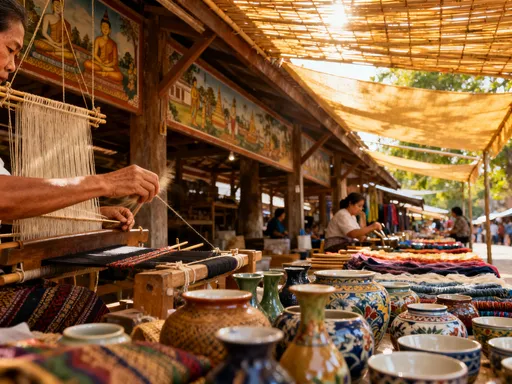
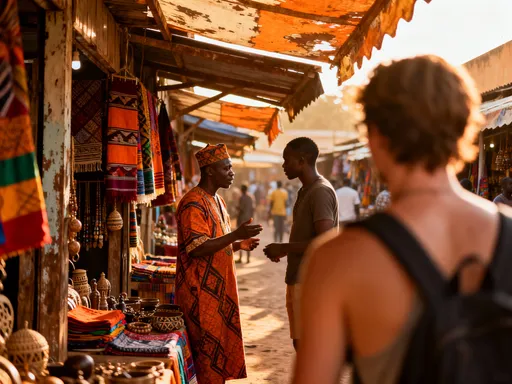
For the observant traveler, the medina is a living museum of craftsmanship. Coppersmiths hammer delicate teapots in open-front workshops, their rhythmic tapping echoing down the lane. Nearby, weavers sit cross-legged beside looms, fingers flying as they create rugs in rich Berber patterns. Potters shape clay into tagines on spinning wheels, while basket makers weave palm fronds into sturdy containers. These artisans are not performing for tourists—they are part of a centuries-old economy that sustains families and preserves heritage. Capturing their work on camera offers more than just striking images; it’s a way to honor their skill and dedication.
However, photography in such intimate spaces requires mindfulness. Rather than snapping quick shots, take time to pause, smile, and ask permission with a simple gesture or phrase like “Mumkin asoura?” (Can I take a photo?). Most locals respond warmly to genuine interest, and a brief conversation often leads to a more meaningful exchange. Some may invite you to see their workshop up close or share a glass of sweet mint tea. These interactions enrich both the experience and the resulting photographs, transforming them from mere documentation into storytelling. When photographing people, consider focusing on hands at work, tools in use, or reflections in metal surfaces—subtle compositions that respect privacy while still conveying the essence of the craft.
Kasbah Chronicles: History with a View
Rising above the medina, the Kasbah is Tangier’s historic crown, a fortress complex that once served as the residence of local sultans and rulers. Its origins trace back to the 10th century, though much of what stands today was shaped during the 17th and 18th centuries under Moroccan dynasties. The climb to the Kasbah is part of the experience—winding uphill paths lined with bougainvillea, small shops selling amber beads, and glimpses of the sea through archways. At the summit, the views are nothing short of breathtaking. To the north, the Strait of Gibraltar stretches toward Spain, its waters shimmering under the sun. To the south, the red-tiled roofs of the medina cascade down the hillside, blending into the modern city beyond.
The Kasbah Museum, housed in a restored palace, offers insight into Tangier’s multicultural past. Exhibits include Andalusian tiles, ancient manuscripts, traditional clothing, and artifacts from Phoenician, Roman, and Islamic periods. The building itself is a masterpiece of Moroccan architecture—courtyards with fountains, painted ceilings, and carved stucco walls that glow in the soft light. For photographers, the museum’s inner courtyards and rooftop terraces provide ideal settings for composition, especially during the golden hour when warm light bathes the stonework. The surrounding gardens, with their cypress trees and fragrant jasmine, add depth and texture to landscape shots.
To avoid crowds and capture the most serene moments, plan your visit early in the morning or just before sunset. Midday brings heat and foot traffic, particularly during peak tourist seasons. Arriving at dawn allows for quiet exploration, with fewer people and softer shadows. It’s also the best time to photograph local residents—elderly couples strolling, children heading to school, or shopkeepers sweeping their doorsteps. The Kasbah’s outer walls offer secluded benches perfect for reflection, and some vantage points overlook the old city walls, where stone meets sea in a dramatic embrace. These are the moments that transcend postcard views, revealing the quiet dignity of a city shaped by time.
Artistic Tangier: Galleries and Creative Soul
Tangier has long been a magnet for artists, writers, and musicians drawn to its light, energy, and spirit of freedom. In the mid-20th century, figures like Paul Bowles, William S. Burroughs, and Tennessee Williams found inspiration in its streets, turning the city into a bohemian enclave. Today, that creative legacy endures in galleries, studios, and cultural spaces scattered throughout the medina and Ville Nouvelle. While some historic homes of expatriate artists are not open to the public, their presence lingers in the city’s artistic pulse.
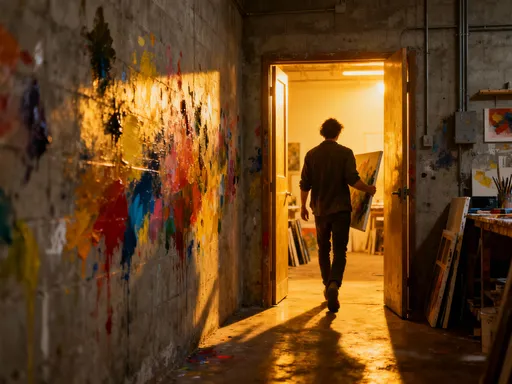
One of the most accessible cultural spots is Galerie Delacroix, a small but vibrant space that showcases contemporary Moroccan art. Named in homage to the French painter who briefly stayed in Tangier, the gallery features works by local artists blending traditional motifs with modern techniques. Expect bold colors, abstract interpretations of Islamic geometry, and portraits that capture the dignity of everyday life. The gallery’s intimate setting encourages close viewing, and staff are often happy to discuss the artists and their processes. Other independent studios can be found tucked into side alleys—some marked only by a painted sign or a single canvas in the window. These hidden spaces offer a more personal connection to Tangier’s art scene, where creativity thrives beyond commercial pressures.
For travelers interested in hands-on experiences, some guesthouses and cultural centers offer short workshops in calligraphy, tile painting, or textile design. These sessions not only deepen appreciation for Moroccan artistry but also provide unique photo opportunities—hands guiding a brush across ceramic, close-ups of intricate patterns emerging on paper, or the focused expression of a student learning a new skill. Even without participating, walking through artist neighborhoods reveals creativity in unexpected places: murals on courtyard walls, sculptures made from reclaimed wood, or a painter capturing the harbor from a shaded bench. These moments remind us that art in Tangier is not confined to galleries—it is woven into the fabric of daily life.
Rooftop Rituals: Mint Tea with a Frame-Worthy Skyline
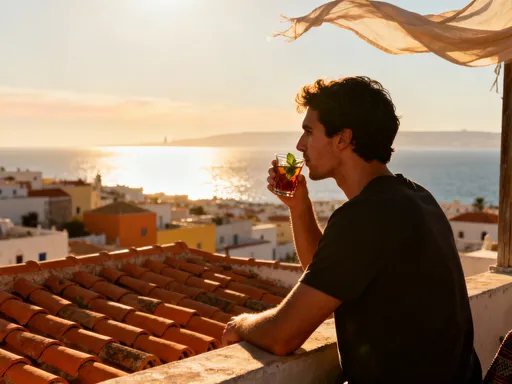
One of the most cherished customs in Tangier is the ritual of drinking mint tea, especially when shared on a rooftop as the sun dips below the horizon. This simple act—steeping fresh spearmint and green tea in a silver pot, pouring it from a height to create a froth, serving it in ornate glasses—is deeply embedded in Moroccan hospitality. But beyond its cultural significance, the experience is visually enchanting. As golden light washes over the city, rooftops become private observatories where time seems to pause. The call to prayer drifts from minarets, seagulls circle above the harbor, and the distant hum of traffic blends into a soothing background rhythm.
Several guesthouses and cafes in the medina offer rooftop access to visitors, either with a reservation or a small fee. Dar Sanaa, a restored riad near the Kasbah, serves excellent tea on a terrace with panoramic views of the Strait. Another favorite is Cafe Hafa, a legendary spot frequented by locals and travelers for generations. Its wooden terraces cling to the cliffside, offering an unobstructed view of the ocean. Though it can get busy, arriving early in the morning reveals a quieter side—fishermen casting lines, couples reading books, artists sketching the skyline. Photographing tea rituals works best in soft light, so aim for sunrise or the hour before sunset. Focus on details: steam rising from the pot, the reflection of clouds in a glass, or the hands of a host pouring with practiced grace. These close-ups add intimacy to your visual narrative.
When photographing shared moments, always be respectful. Ask before including people in your frame, and consider offering a small tip or buying a drink in return for the experience. Many rooftop hosts welcome guests not just for the view, but for the connection. Sitting quietly, sipping tea, and observing the city’s rhythms often leads to spontaneous conversations—about music, family, or life in Tangier. These exchanges, though brief, become part of your journey, enriching both memory and image. A photograph of a skyline is beautiful, but one taken after sharing tea with a local carries a deeper resonance.
Cultural Encounters: Festivals, Music, and Local Life
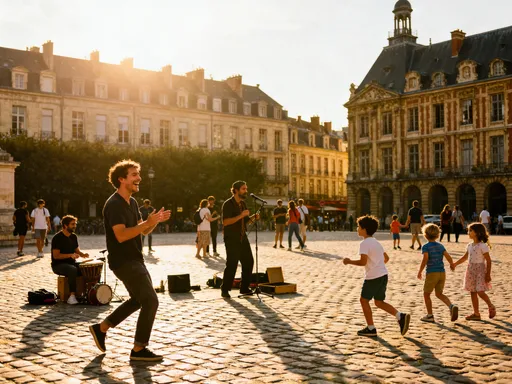
Tangier’s cultural calendar brings the city to life in vibrant ways, offering unique opportunities for authentic storytelling through photography. One of the most celebrated events is the Tanjazz Festival, held annually in late summer. Over the course of a week, musicians from Morocco and around the world perform in historic venues—Kasbah courtyards, art galleries, and seaside theaters. The atmosphere is joyful and inclusive, with audiences of all ages swaying to smooth jazz, Gnawa rhythms, and fusion beats. For photographers, the festival provides dynamic scenes: spotlighted performers, close-ups of hands on instruments, and the animated faces of listeners caught in a moment of musical bliss. Evening concerts often take place outdoors, where the sea breeze carries sound across the water, adding a dreamlike quality to both the experience and the images.
Beyond festivals, everyday life in Tangier offers endless material for human-centered photography. In the fishing quarter near the port, men mend nets on the seawall, their weathered hands moving with precision. Children play soccer in open squares, using backpacks as goalposts. Elderly women in colorful djellabas gather at fountains, exchanging news while filling water jugs. These scenes unfold naturally, without performance or expectation. To capture them authentically, patience is key. Sit quietly in a plaza, let people become accustomed to your presence, and wait for genuine interactions to unfold. A wide-angle lens can help frame broader scenes, while a telephoto allows for discreet shots from a respectful distance.
Music is also woven into daily life. In the evenings, it’s common to hear Andalusian melodies drifting from homes or small cafes. These classical Moroccan compositions, rooted in centuries-old traditions, evoke a sense of timelessness. Some cultural centers offer informal performances open to visitors, where musicians play the oud, violin, and qanun in harmonious ensembles. Attending such a session is not only a treat for the ears but a chance to document a living art form. Always approach with humility—silence your phone, dress modestly, and refrain from using flash. The goal is not to dominate the space, but to be a quiet observer, allowing the moment to unfold naturally.
Beyond the Frame: Traveling with Respect and Curiosity
In the age of social media, it’s easy to view travel photography as a pursuit of likes and followers. But Tangier teaches a different lesson: the most powerful images emerge not from chasing trends, but from genuine engagement. When curiosity guides the lens, photographs become more than visuals—they become records of connection, respect, and understanding. This begins with small choices: dressing modestly in the medina, covering shoulders and knees; speaking softly in sacred or quiet spaces; and always asking before photographing people, especially children and elders.
Supporting local artists and artisans is another way to travel with integrity. Purchasing a handmade rug, a ceramic bowl, or a painting directly from the creator not only brings home a meaningful souvenir but sustains the cultural economy. These items, when photographed in their original context—on a studio table, in a weaver’s hands—gain even greater significance. They tell a story of skill, tradition, and resilience. Even sharing photos online can be an act of advocacy when done thoughtfully. Captioning an image with the artisan’s name, the technique used, or the cultural meaning behind a design helps educate others and honors the subject.
Ultimately, travel photography in Tangier is not about capturing the perfect shot, but about deepening one’s relationship with a place. It’s about learning to see not just with the eye, but with the heart. When you slow down, listen, and approach each interaction with openness, the city reveals itself in layers. The vibrant colors, the golden light, the intricate details—all of it points to something deeper: a culture that values hospitality, craftsmanship, and continuity. By aligning your lens with these values, your photographs become more than beautiful—they become truthful.
Tangier teaches us that the most striking images come from connection, not just composition. When culture and curiosity guide your lens, every shot tells a deeper story.