You Won’t Believe What I Ate in Sardinia – It’s Culture on a Plate
Sardinia isn’t just about turquoise coasts and ancient stone villages—its soul lives in the food. I went searching for flavor and found something deeper: centuries-old traditions served on every plate. From shepherds’ cheese to hand-rolled pasta made at dawn, each meal felt like stepping into a living story. This is more than dining—it’s cultural immersion, one bite at a time.
Arrival in Sardinia: First Bites of Tradition
Stepping off the plane in Cagliari, the capital of Sardinia, I was immediately struck by the absence of familiar Italian staples. There were no wood-fired pizzas or buttery risottos in sight. Instead, the scent of toasted flour and sea salt filled the air, leading me to a small bakery tucked between sun-bleached buildings. Inside, a woman pulled golden sheets of pane carasau from a domed oven, each one crackling as it cooled. This paper-thin flatbread, known locally as 'carta musica' or 'music bread' for the sound it makes when broken, has been a dietary staple for over two millennia. Its origins trace back to the Nuragic civilization, long before Roman influence touched the island. The bread was designed to last—originally baked by shepherds to sustain them during long months of seasonal migration across the rugged interior.
What makes pane carasau more than just sustenance is the way it connects generations. I visited a family-run bakery where three women—one grandmother, two daughters—worked side by side, their hands moving in practiced unison. The recipe remains unchanged: only flour, water, salt, and fire. Yet the process is labor-intensive, requiring precise timing and temperature control. Each sheet is baked twice, first as a single layer, then split and crisped until golden. Watching them work, I realized this was not merely a culinary tradition but a quiet act of resistance against industrialization. No machines could replicate the rhythm of their hands or the intuition born of decades of repetition.
Later that evening, I tried pane carasau at a seaside trattoria, served alongside roasted peppers, olives, and a sharp local pecorino. When dipped in warm olive oil, the crisp bread softened slightly, absorbing flavors while retaining its delicate crunch. It was simple, yet deeply satisfying—an edible metaphor for Sardinia itself: unpretentious, resilient, and rooted in history. That first meal set the tone for my journey: here, food is not an afterthought but a language, spoken through texture, aroma, and ritual.
Pasta Like No Other: The Art of Making Culurgiones
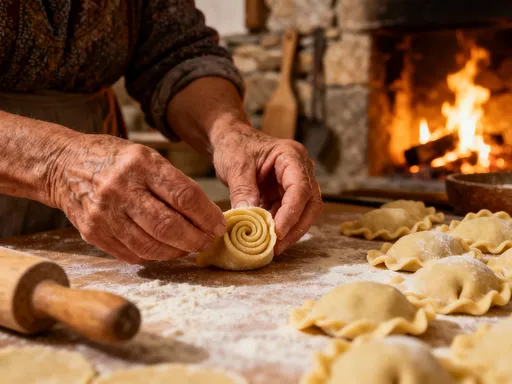
My journey deeper into Sardinia’s culinary heart led me to the quiet village of Dolia, nestled in the mountainous region of Barbagia. On a cool morning, I was invited into a whitewashed kitchen where a group of women gathered around a wooden table dusted with flour. They were making culurgiones—plump, round dumplings that resemble ravioli but are distinct in both shape and spirit. Each one is sealed with a delicate spiral fold, a technique passed down through generations, often taught to young girls during family gatherings. The filling, a harmonious blend of mashed potato, fresh mint, and aged pecorino cheese, reflects the island’s pastoral heritage, where ingredients were limited but creativity flourished.
One of the women, Maria, guided me through the process. "It’s not just about the taste," she said, her hands moving swiftly as she crimped the edges of a dumpling. "It’s about the time we spend together, the stories we tell while our fingers work." I quickly learned that shaping culurgiones requires patience and precision. My first attempts were lopsided and prone to bursting, but the women laughed kindly, encouraging me to try again. This was not a performance for tourists; it was a living tradition, woven into the fabric of daily life. Culurgiones are often prepared for festivals, weddings, and religious celebrations, marking moments of joy and community.
After an hour of careful folding, the dumplings were boiled in salted water and served with a light tomato sauce or simply drizzled with olive oil. The texture was tender yet substantial, the mint adding a refreshing lift to the richness of the cheese. As I ate, I thought about how food like this resists standardization. Unlike mass-produced pasta, each culurgione carries the fingerprint of its maker—the slight variation in size, the unique twist of the seal. In a world increasingly dominated by convenience, this dish stands as a testament to the value of slowness, care, and connection.
Cheese That Tells a Story: Following the Shepherds
To understand Sardinia’s food culture fully, one must venture into its wild interior, where time moves at the pace of grazing sheep and shifting seasons. In the highlands of Barbagia, I met Antonio, a shepherd in his sixties who continues the ancient practice of transhumance—moving his flock between summer and winter pastures. His life follows a rhythm dictated by nature, not calendars. We walked together across rocky terrain dotted with wild herbs—rosemary, thyme, and myrtle—plants that would later infuse the milk of his sheep and, ultimately, the cheese he produces.
Antonio’s pecorino sardo is unlike any I’ve tasted. Aged in cool limestone caves for months, sometimes over a year, the wheels develop a complex flavor profile—nutty, tangy, with hints of wildflowers and earth. He rubs the rinds with olive oil and local herbs to protect them during aging, a technique unchanged for centuries. In his stone hut, lit only by a small oil lamp, he cut me a slice from a well-aged wheel. The texture was firm but yielding, the taste deep and layered, evolving on the palate with each chew. This was cheese as narrative, each bite telling of wind, sun, and solitude.
What struck me most was the absence of modern intervention. Antonio uses no pasteurization, no additives, no artificial cultures. The milk is processed the same day it’s collected, heated over an open fire, and coagulated with natural rennet. The entire process is slow, demanding, and deeply tied to place. In an age where industrial cheese production dominates, his methods may seem impractical. Yet they preserve something invaluable: authenticity. When you eat Antonio’s pecorino, you are not just consuming food—you are tasting a way of life that has endured against the tide of change.
Seafood and the Rhythm of Coastal Life
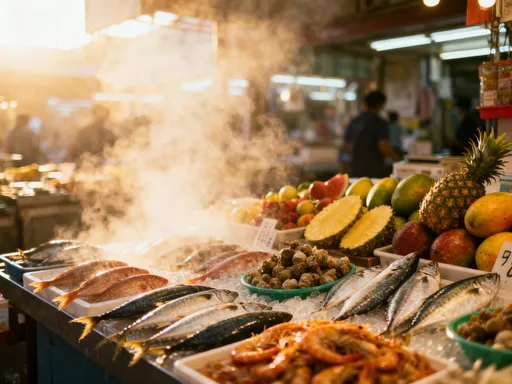
From the mountains, I traveled west to the coastal town of Bosa, where the Temo River meets the Mediterranean. Here, the food culture shifts, shaped by the tides and the labor of fishermen. At dawn, I walked along the harbor as wooden boats returned from their nightly runs, their decks lined with silvery mullet and coiled octopus. The catch would soon be cleaned, sorted, and prepared for market—or for one of Sardinia’s most prized delicacies: bottarga.
Bottarga is the salted, cured roe of the grey mullet, a tradition shared with parts of Sicily and Japan but perfected in Bosa. The roe sacs are carefully removed, massaged with sea salt, and left to dry for weeks under gentle sun and sea breeze. The result is a firm, amber-hued block that can be shaved over pasta, grated into sauces, or enjoyed in thin slices with olive oil and lemon. I was invited into the home of a fisherman named Gianni, where his wife, Elena, prepared fregola ai frutti di mare—a dish of toasted semolina pearls tossed with clams, mussels, and a generous shaving of bottarga. The first bite was revelatory: briny, umami-rich, with a lingering sweetness from the sea.
What made the meal unforgettable was the context. We sat around a small table, the windows open to the sound of waves. Gianni spoke of his father and grandfather, who fished these same waters with simpler tools. Elena explained that bottarga was once a way to preserve nutrients for lean months, but now it is a symbol of pride, a culinary jewel that draws food lovers from across Europe. Eating together, I felt the deep interconnection between environment, labor, and tradition. This was not cuisine designed for Instagram—it was food born of necessity, refined by time, and shared with generosity.
Wine Rooted in the Land: Cannonau and the Vineyards of Time
Wine in Sardinia is not merely a beverage but a thread woven through history, health, and celebration. In the central hills near Orgosolo, I visited small, terraced vineyards where Cannonau grapes grow in mineral-rich soil under relentless sun. Cannonau, a robust red varietal, is believed to be one of the oldest in the Mediterranean, with genetic ties to Spanish Garnacha and possibly even ancient Phoenician plantings. Locals often credit their long lifespans—Sardinia is home to one of the world’s highest concentrations of centenarians—to a combination of clean mountain air, active lifestyles, and a daily glass of Cannonau.
I met a winemaker named Luca, who works with organic methods and traditional techniques. His family has tended these vines for five generations, using low yields and natural fermentation to preserve the grape’s character. He showed me how some producers still age their wine in large oak casks or even terracotta amphorae buried underground, methods that allow slow oxidation and enhance complexity. We tasted a 2018 vintage directly from the barrel—deep ruby in color, with notes of black cherry, licorice, and wild herbs. It was full-bodied yet balanced, with a finish that lingered like a memory.
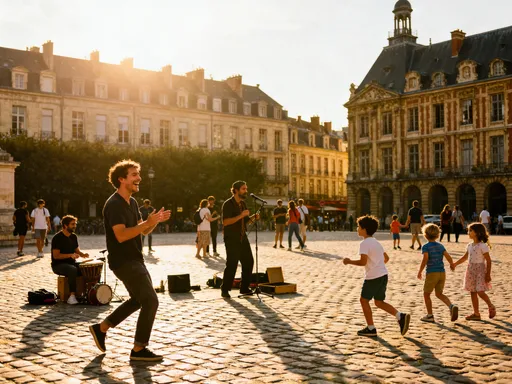
That evening, I attended a village sagra where Cannonau flowed freely alongside roasted meats and handmade bread. Music filled the square as elders danced and children ran between tables. The wine was not served in elegant glasses but in sturdy tumblers, passed hand to hand. In that moment, I understood that Cannonau is more than a drink—it is a social glue, a vessel for joy and continuity. Scientific studies have noted its high levels of antioxidants, particularly resveratrol, but in Sardinia, its value is measured not in lab results but in shared moments and enduring health.
Festivals Where Food Becomes Performance
One of the highlights of my trip was witnessing the Sagra del Porceddu in autumn, a festival dedicated to suckling pig roasted over open wood fires. Held in a small village in the interior, the event drew families from across the region, all arriving with picnic blankets and generations in tow. The air was thick with the scent of wood smoke and caramelizing pork skin. Whole pigs, seasoned simply with myrtle, garlic, and wild fennel, rotated slowly on spits, their skins crackling and browning over glowing embers.
These sagre—local food festivals—are not staged for tourists. They are authentic expressions of community, often tied to religious feast days or harvest celebrations. Participation is encouraged: visitors are welcomed at long tables, offered wine, and invited to share in the feast. I sat beside a grandmother who told me stories of attending the same festival as a child, how little had changed except the number of visitors. The porceddu, when served, was tender beneath a crisp, golden crust, the myrtle lending a subtle, aromatic depth. Every bite felt like an act of communion—with the land, with history, with people.
What makes sagre so powerful is their inclusivity. There are no VIP sections, no reservations, no pretense. You eat what is offered, when it is ready, and you do so alongside strangers who quickly feel like kin. In a world increasingly fragmented by digital isolation and fast consumption, these gatherings offer a rare model of belonging. Food is not just eaten; it is celebrated, performed, and shared as a collective inheritance.
Bringing It Home: How to Sustain the Experience Beyond Travel
Returning home, I found myself longing not just for the flavors of Sardinia but for the rhythm that shaped them. The island taught me that true nourishment goes beyond nutrition—it involves presence, patience, and connection. Inspired by what I had learned, I began to recreate small pieces of that experience in my own kitchen. I ordered durum wheat semolina and attempted my own version of fregola, toasting the grains in a pan before shaping them by hand. I sought out artisanal bottarga from trusted importers, using it to elevate simple pasta dishes. Most importantly, I started inviting friends and family over for meals where the cooking was done together, not in silence, but with conversation, laughter, and shared effort.
I even tried making pane carasau, though my first batch was too thick and didn’t crisp properly. But with each attempt, I improved, guided by videos of Sardinian bakers and notes I had taken during my visit. The process itself became meditative, a way to slow down and reconnect with the act of creation. When I finally succeeded in producing a batch that crackled like parchment, I felt a quiet pride—not just in the result, but in the continuity of effort.
The deeper lesson, however, was not about technique but intention. Sardinian cuisine is not defined by exotic ingredients or complex recipes. It is defined by respect—for the land, for tradition, for the people who came before. It is food made to last, to be shared, to be remembered. In adopting even a fraction of this mindset, I found that my relationship with cooking and eating transformed. Meals became less about efficiency and more about meaning.
Conclusion: A Living Archive on Every Plate
Sardinia’s cuisine is a living archive, preserving centuries of history, resilience, and identity in every dish. From the shepherd’s cheese aged in mountain caves to the fisherman’s bottarga kissed by sea wind, each flavor carries the weight of tradition and the warmth of human hands. This is not food designed for fleeting trends or viral moments. It is food that demands time, care, and reverence—qualities that feel increasingly rare in modern life.
Yet the beauty of this culinary heritage is that it is not locked away in museums or textbooks. It is alive, practiced daily in homes, bakeries, and village squares. And it is accessible—not just to those who visit the island, but to anyone willing to slow down and listen. By embracing even a few of Sardinia’s food traditions—by making pasta by hand, sharing a meal without phones, or choosing quality over convenience—we participate in a quiet act of preservation.
Every bite can be an invitation—to remember, to connect, to belong. In a world that often feels disconnected and hurried, Sardinia offers a powerful reminder: the simplest meals, when rooted in culture and shared with love, can become the most profound experiences of all.